

Individualized PsA Treatment With Risankizumab or Upadacitinib
 23-minute listen
Saakshi Khattri, MD returns for Part 2 of this series, this time with Lindsay Tom, PA-C, to discuss individualizing treatment strategies for patients with multidomain PsA. Together, they review the efficacy and safety of risankizumab (RZB) and upadacitinib (UPA) in PsA within the context of clinically relevant patient cases.
Podcast
Did you miss
Listen here before starting the new episode above!
The experts

Saakshi Khattri, MD
Rheumatologist, Dermatologist, and Internist
Icahn School of Medicine at Mount Sinai
New York, NY

Lindsay Tom, PA-C
Certified Physician Assistant
Northern Virginia Center for Arthritis
Falls Church, VA
Therapy in PsA should be individualized to patients
PsA is a complex, heterogeneous disease that may require tailoring of therapy based on multiple factors, including:1,2

Pain

Fatigue

Physical function

Patient-reported measures

Quality of life

GRAPPA and EULAR recommend considering disease activity in each disease domain, related conditions and comorbidities,
Chronic systemic inflammation in

2%–25% of patients with PsA have uveitis3

>50% of patients with PsA have subclinical gut inflammation,4 which may progress to IBD5
Patients with PsA may require advanced therapies to

IL-23is
target the cytokine IL-23, a key driver of inflammation in PsA6-8

JAKis
target JAKs, which are signal mediators downstream of
“When I’m choosing an advanced therapy for psoriatic arthritis, I’m not just asking, ‘How are the joints?’ I’m asking, ‘Which psoriatic arthritis domains
Saakshi Khattri, MD
Hitting a critical target:
risankizumab in PsA
The KEEPsAKE trials
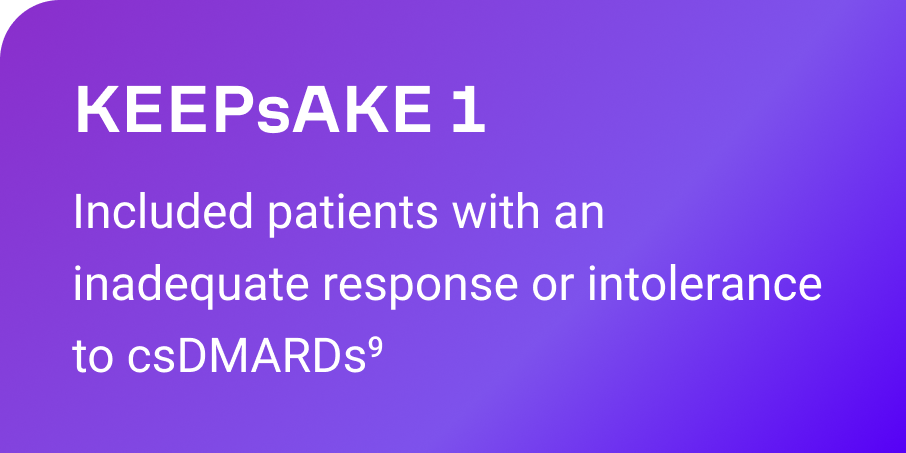
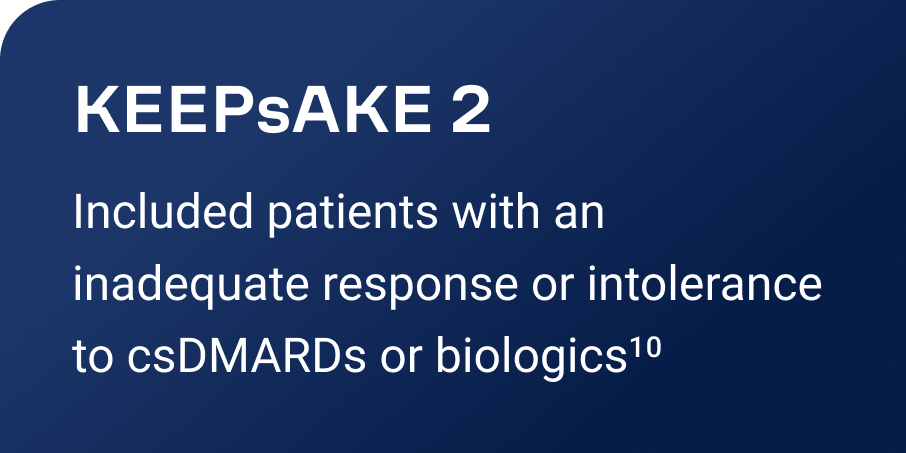
KEEPsAKE 1 and KEEPsAKE 2 were randomized, double-blind, Phase 3
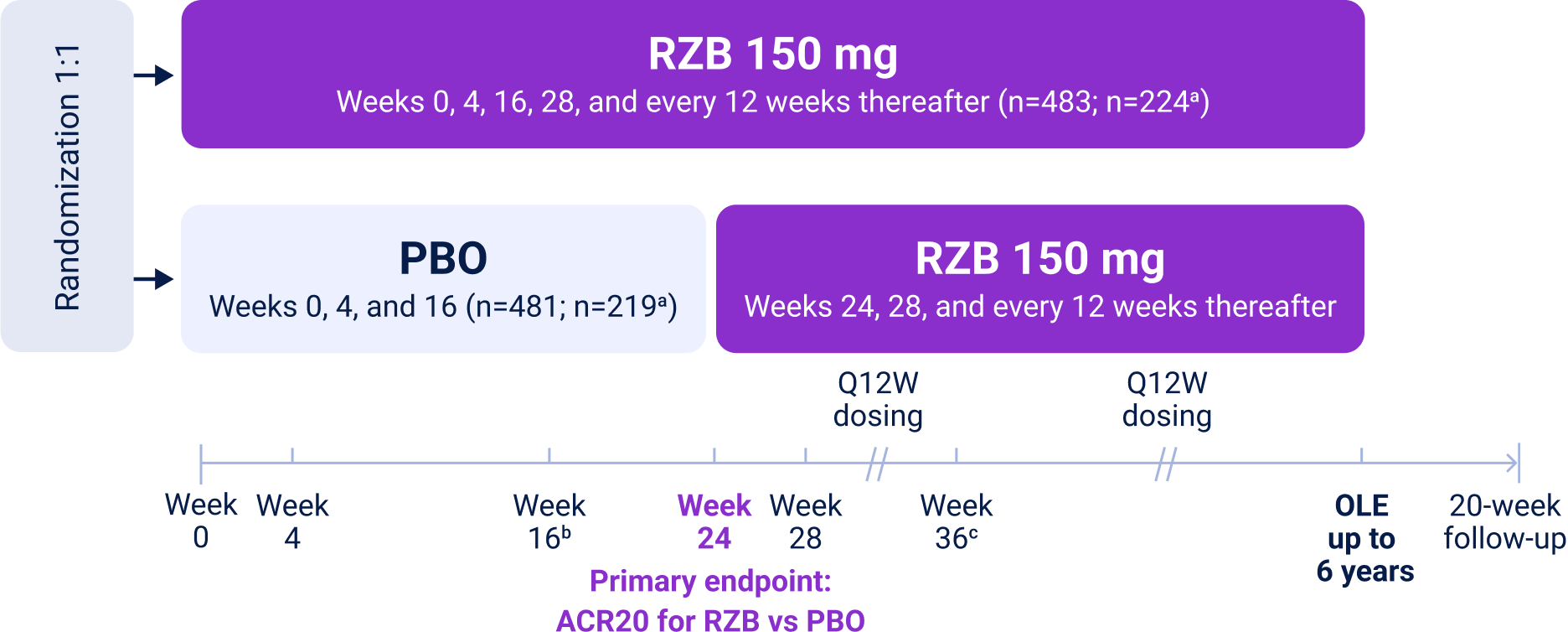
RZB 150 mg is given by subcutaneous injection.
aThe first n value is for KEEPsAKE 1; the second n value is for KEEPsAKE 2. bAt Week 16, participants classified as nonresponders (defined as not achieving at least a 20% improvement in either or both tender joint count and swollen joint count at both Week 12 and Week 16 compared with baseline) had the option to add or modify rescue concomitant medications/therapy. cStarting at Week 36, participants classified as nonresponders were discontinued from the study drug.
In KEEPsAKE 1, RZB achieved joint efficacy in patients with PsA through Week 3049,11
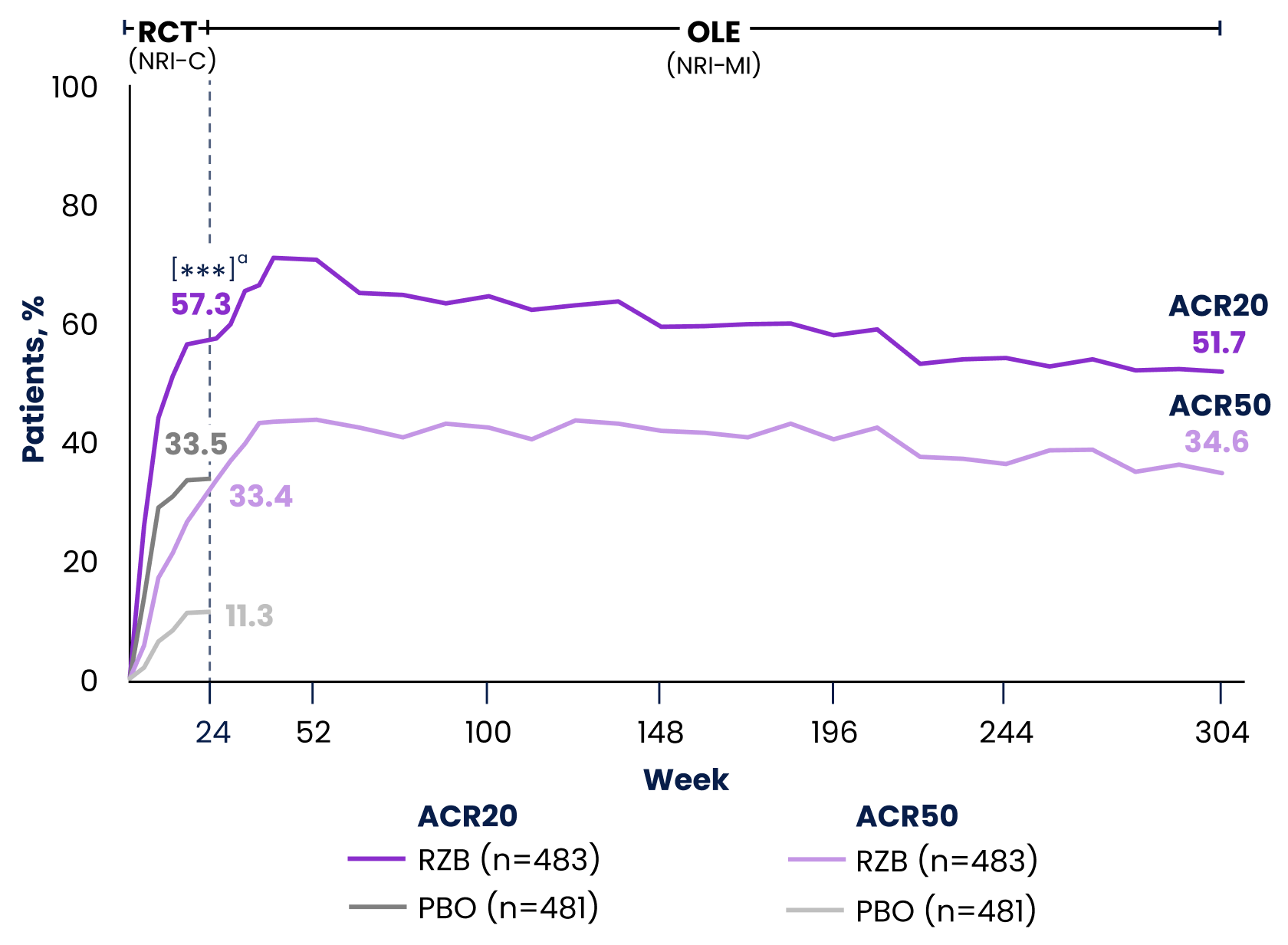
OLE limitation: In an OLE, there is a potential for enrichment of the long-term data in the remaining patient populations since patients who are unable to tolerate or do not respond to the drug often drop out.
***Nominal P≤0.001 for RZB vs PBO; comparison adjusted for multiplicity [ ].
aPrimary endpoint.
Before the dashed line, data are based on the double-blind PBO-controlled period, using a full analysis set, NRI-C. After the dashed line, data are based on the OLE period, using a full analysis set, NRI-MI. Missing data are imputed as nonresponders, except those missing due to COVID-19 or geopolitical conflict in Ukraine, Russia, or Israel, which are imputed by multiple imputation.
In KEEPsAKE 2, significantly more patients treated with RZB, 51.3%, achieved the primary endpoint of ACR20 at Week 24 compared to 26.5% in the PBO group10
RZB OLE efficacy up to Week 304 across multiple GRAPPA domains in the
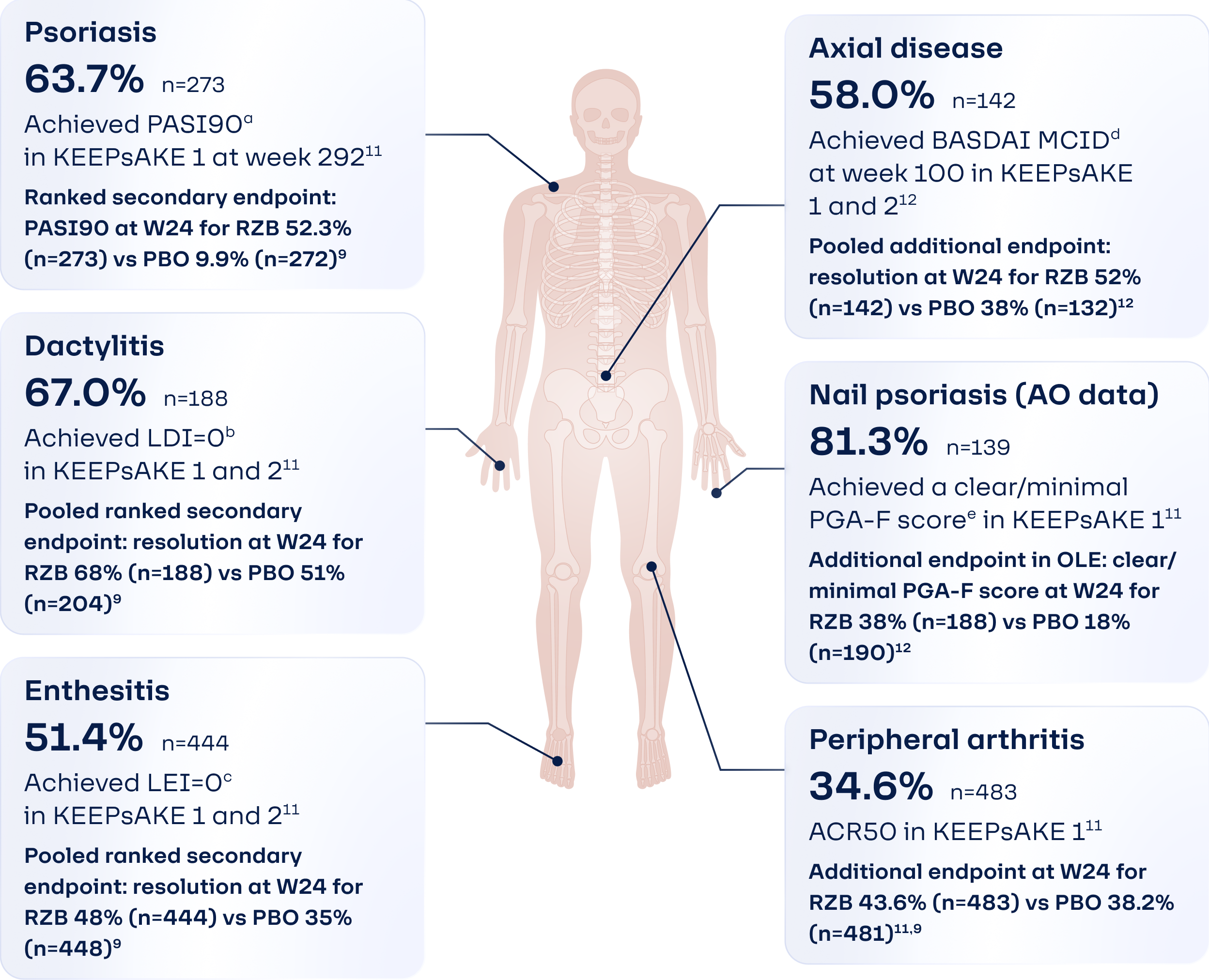
OLE limitation: In an OLE, there is a potential for enrichment of the long-term data in the remaining patient populations since patients who are unable to tolerate or do not respond to the drug often drop out.
All data are NRI except clear/minimal PGA-F score which is AO.
aPASI90 response rate assessed in patients with psoriasis body surface area ≥3% at baseline. bUp to Week 292. cFor patients with baseline LDI >0. dFor patients with baseline LEI >0. eFor patients with spondylitis only, as determined by investigator clinical assessment at baseline. fAt Week 100. gIn patients with nail psoriasis at baseline. Data are the proportion of patients achieving a PGA-F of 0 or 1 with a ≥2-grade improvement.
KEEPsAKE overview of TEAEs of interest
TEAEs of interest through Week 24 in KEEPsAKE 1 and 29,10,13-17 and a long-term integrated analysis across 6 Phase 2 or 3 trials in PsA18
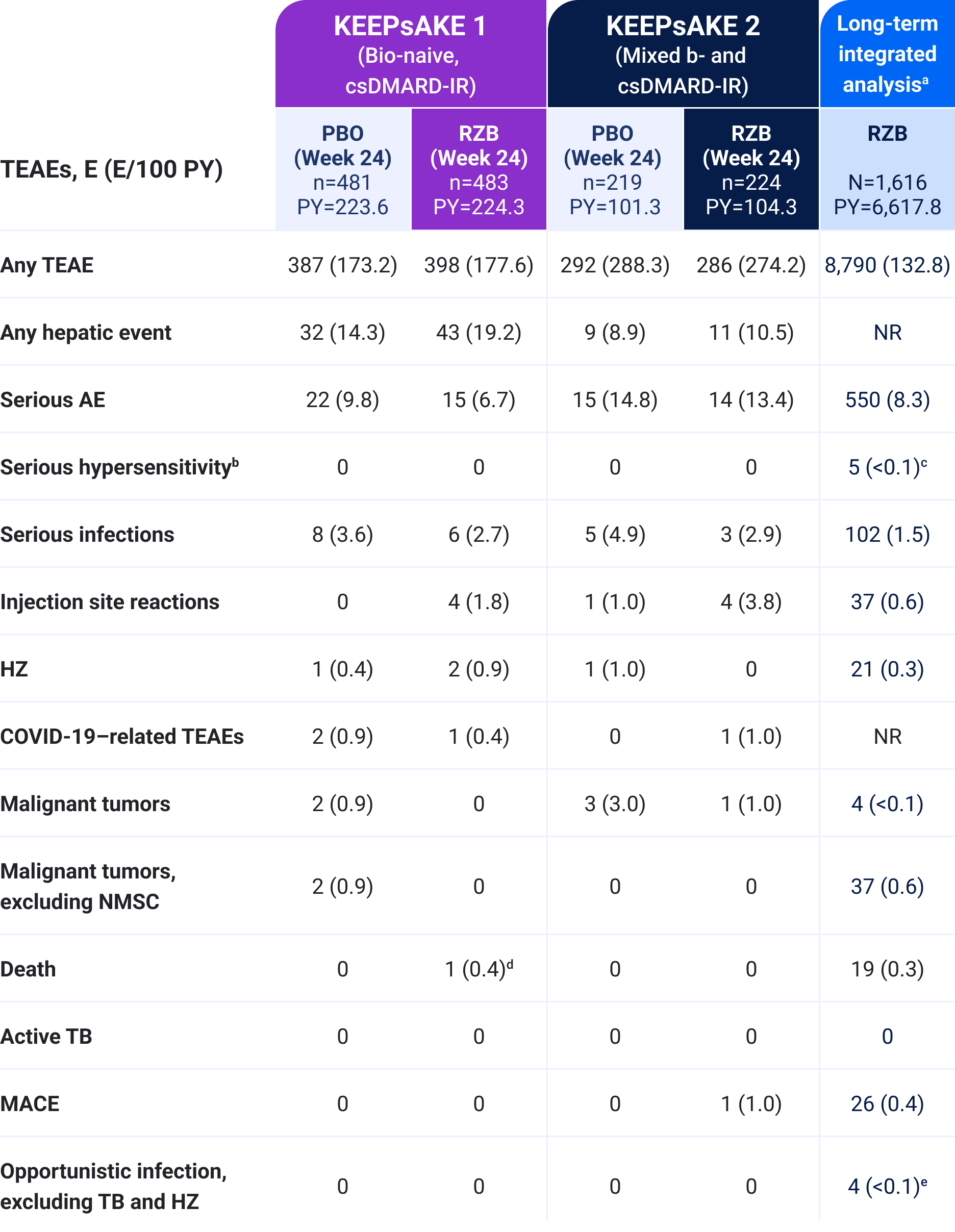
The overall safety profile observed in participants with PsA treated with RZB is generally consistent with the safety profile in participants with plaque PsO, with the addition of hepatic events and hypersensitivity reactions.
aIntegrated analysis of 6 phase 2–3 clinical trials in PsA; the median (range) treatment duration was 5.98 years (14 days–6.44 years). Data cutoff was March 25, 2026. bSerious hypersensitivity was identified by standard MedDRA query. cSerious hypersensitivity: anaphylactic reaction 1 (<0.1), dermatitis bullous 1 (<0.1), immune thrombocytopenia 1 (<0.1), swollen tongue 1 (<0.1). dOne participant with dementia was hospitalized for pneumonia, developed urosepsis, and complications resulted in death. eOpportunistic infections excluding TB and HZ (E/100 PY) included clostridial sepsis 1 (<0.1), esophageal candidiasis 1 (<0.1), oral fungal infection 1 (<0.1), and oropharyngeal candidiasis 1 (<0.1).
A post hoc analysis of pooled data from KEEPsAKE 1 and KEEPsAKE 2 assessed rates of IBD and uveitis in patients with
Four new-onset cases of IBD and uveitis were reported
Three instances of recurrent flare were reported for IBD and for uveitis (<0.1 E/100 PY)
These data provide additional evidence of the safety of RZB in patients with PsA
Limitation: Outcomes related to IBD and uveitis were limited by relatively small numbers of enrolled patients with a history of these conditions.
See the original publications for complete results
KEEPsAKE 1
KEEPsAKE 2
Pooled KEEPsAKE 1 and 2 post hoc analyses

In your current practice, how often do you prescribe an IL-23i for patients with PsA?
“Given that [my patient] had minimal response to a TNF inhibitor, I did want to use a drug with a different mechanism
Lindsay Tom, PA-C
When a TNFi isn’t enough:
upadacitinib for managing PsA
The SELECT-PsA 2 trial
SELECT-PsA 2 is a randomized, double-blind, Phase 3 PBO-controlled trial assessing UPA in adult patients with active PsA who had an inadequate response or intolerance to ≥1 bDMARD19
78.2% of participants had previously received a TNFi20
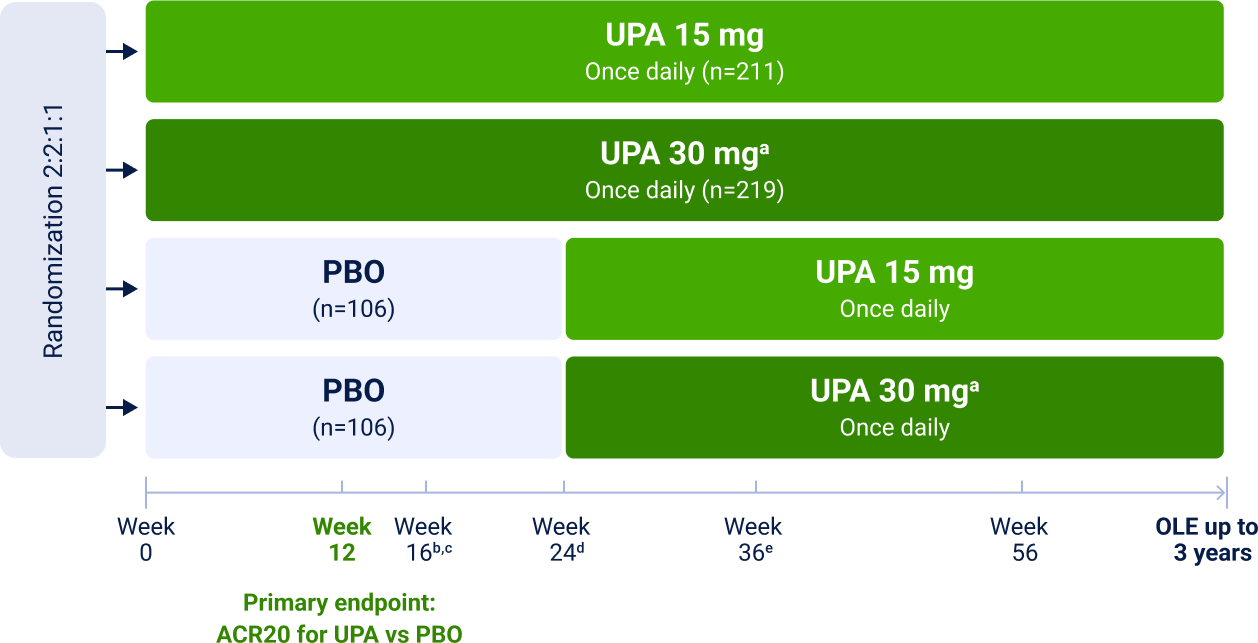
24-week randomized, double-blind, PBO-controlled period followed by an additional 32 weeks of blinded active treatment (Weeks 24–56).
aUPA 30 mg is not an approved dosing regimen. bStarting at Week 16, patients who did not achieve at least 20% improvement in TJC68 or SJC66 compared to baseline at Weeks 12 and 16 had background medication(s) adjusted or initiated. cAfter Week 16, the use of concomitant treatments for psoriasis was permitted. dAt Week 24, all remaining PBO patients were switched to UPA 15 mg or UPA 30 mg, regardless of response. eStarting at Week 36, patients who did not achieve ≥20% improvement in TJC68 and SJC66 compared to baseline at two consecutive visits were discontinued from the study.
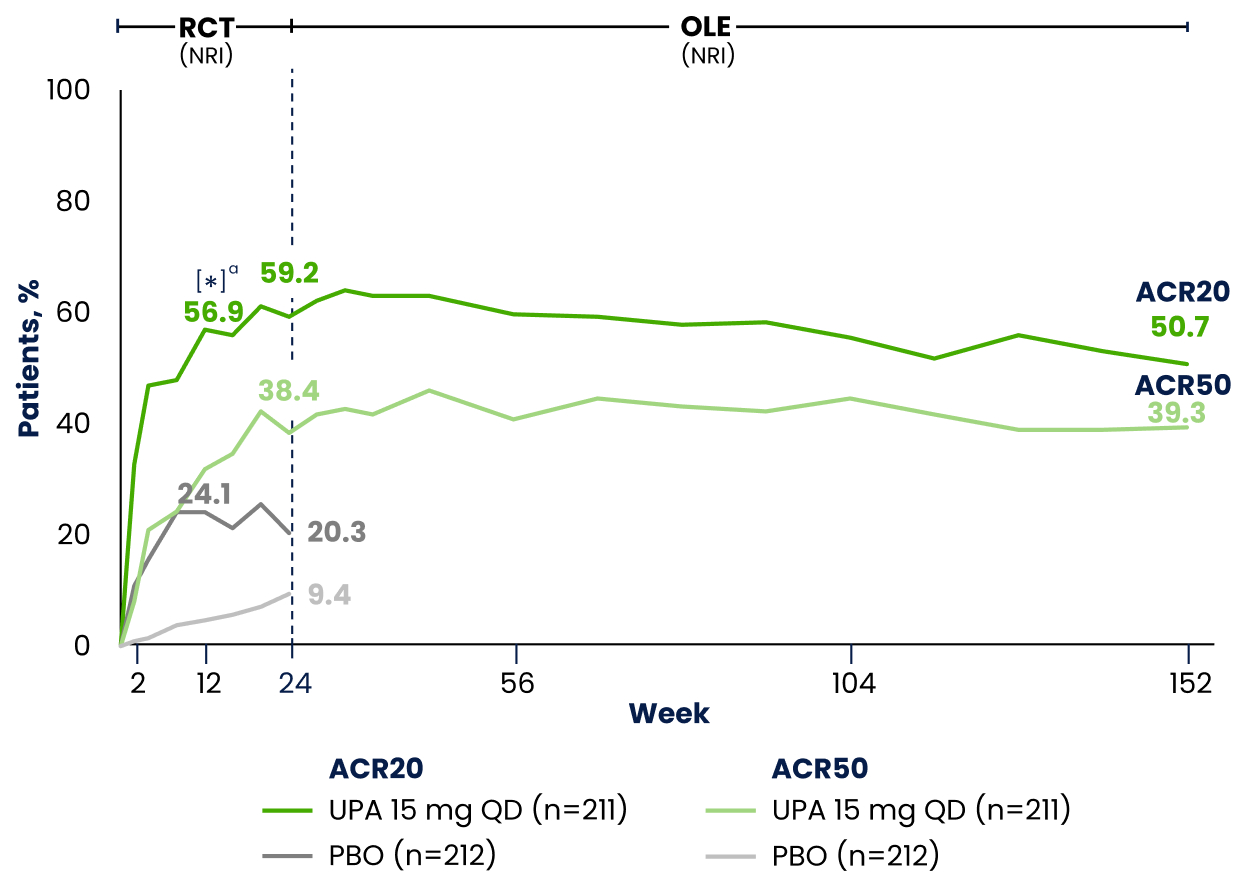
In SELECT-PsA 2, UPA achieved joint efficacy in patients with PsA through Week 15219,20
UPA is only indicated for patients who have had an inadequate response or intolerance to
OLE limitation: In an OLE, there is a potential for enrichment of the long-term data in the remaining patient populations since patients who are unable to tolerate or do not respond to the drug often drop out.
*P≤0.05 for UPA 15 mg vs PBO; comparison adjusted for multiplicity [ ].
aPrimary endpoint.
- Significantly more patients treated with UPA 15 mg, 56.9%, achieved the primary endpoint of ACR20 at Week 12 compared to 24.1% in the PBO group19
- UPA 15 mg achieved joint efficacy in patients with PsA through Week 152, with 50.7% of patients achieving ACR20 and 39.3% of patients achieving ACR5020
Short- and long-term safety profile of UPA in PsA
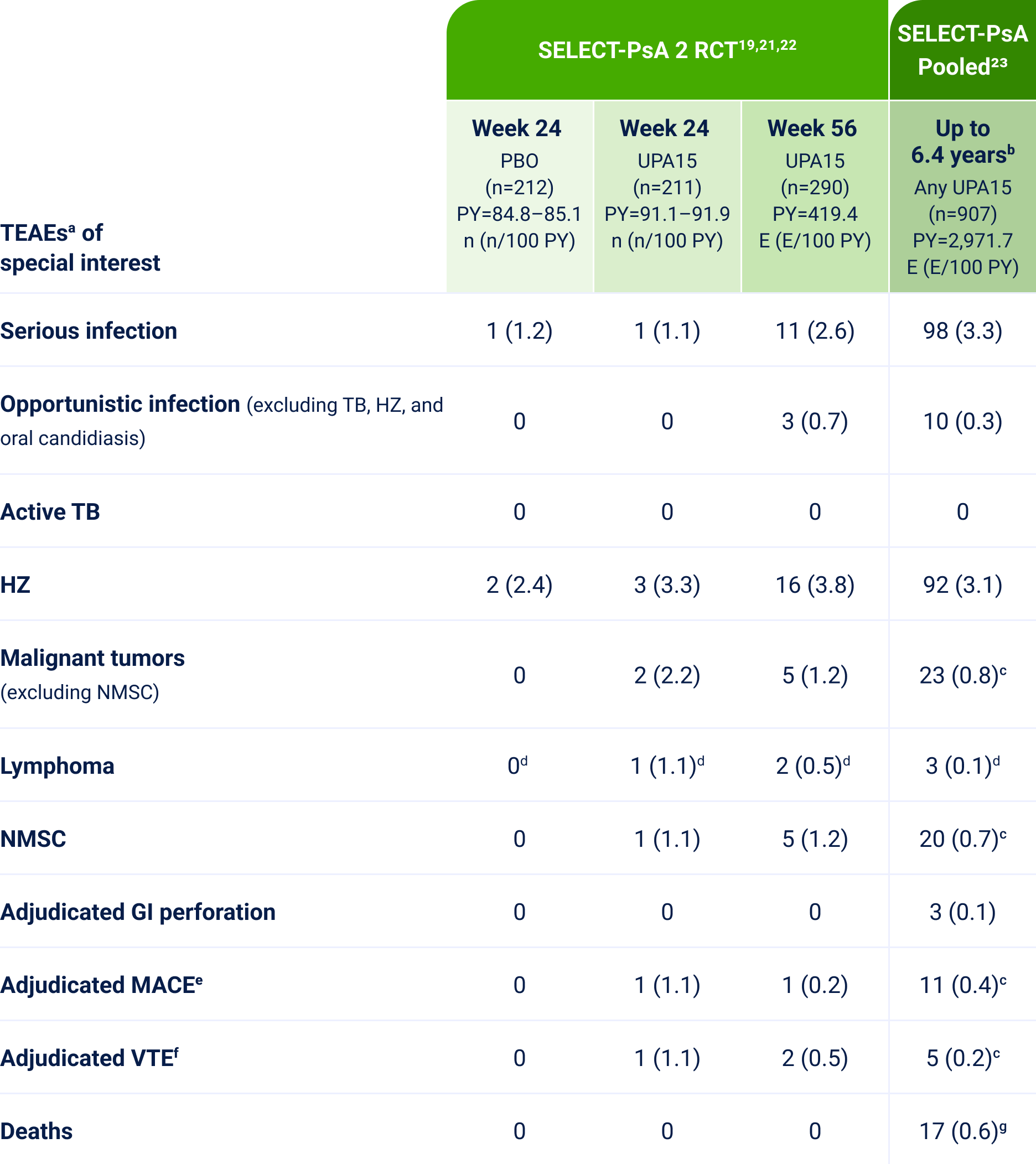
The safety profile of UPA 15 mg in patients with active PsA was generally consistent with the safety profile observed in patients with rheumatoid arthritis.
aTEAE is defined as an AE with an onset date that is on or after the first dose of study drug and no more than 30 days after the last dose of PBO or UPA. bData cutoff was December 6, 2024. cData shown are n (n/100 PY). dReported as abnormal lymphocyte morphology and not confirmed to be lymphoma. eMACE is defined as cardiovascular death, nonfatal myocardial infarction, and nonfatal stroke. fVTE included DVT and PE. gData cutoff was November 17, 2024.
Click here for an interactive tool you can use to learn about the benefits and risks of UPA in PsA
A post hoc analysis of pooled data from
The exposure-adjusted event rates for new-onset and recurrent flares of IBD and uveitis were generally low with UPA 15 mg24
See the original publications for complete results
SELECT-PsA 2
SELECT-PsA 2 OLE to 3-years
After this discussion, how likely are you to consider RZB or UPA for treatment of an appropriate patient with PsA?
Key takeaways

PsA is a complex disease with various clinical manifestations and comorbidities, driven by multiple
Risankizumab can result in long-term responses for peripheral arthritis, skin psoriasis, and other GRAPPA domains in patients with PsA, and has a well-established safety profile
Upadacitinib data support long-term efficacy across GRAPPA domains in TNFi-experienced patients with PsA, and has a well-studied safety profile

RISANKIZUMAB-rzaa INDICATIONS AND IMPORTANT SAFETY CONSIDERATIONS
INDICATIONS
Risankizumab is indicated for the treatment of moderate to severe plaque psoriasis (Ps) in adults and pediatric patients 6 years of age and older who are candidates for systemic therapy or phototherapy.
Risankizumab is indicated for the treatment of active psoriatic arthritis (PsA) in adults and pediatric patients 6 years of age and older.
Risankizumab is indicated for the treatment of moderately to severely active Crohn’s disease (CD) in adults.
Risankizumab is indicated for the treatment of moderately to severely active ulcerative colitis (UC) in adults.
IMPORTANT SAFETY CONSIDERATIONS
Risankizumab is contraindicated in patients with a history of serious hypersensitivity reaction to risankizumab or any of the excipients. Serious hypersensitivity reactions, including anaphylaxis, may occur. If a serious hypersensitivity reaction occurs, discontinue risankizumab and initiate appropriate therapy immediately. Risankizumab may increase the risk of infections. Instruct patients to seek medical advice if signs or symptoms of clinically important infection occur. If such an infection develops, discontinue risankizumab until the infection resolves. Evaluate patients for tuberculosis infection prior to initiating treatment with risankizumab. There is a potential for drug-induced liver injury/hepatotoxicity during induction treatment of UC and CD. Monitor liver enzymes and bilirubin at baseline and during induction (12 weeks). Monitor thereafter according to routine patient management. Consider other treatment options in patients with evidence of liver cirrhosis. Interrupt treatment if drug-induced liver injury is suspected, until this diagnosis is excluded. Avoid use of live vaccines in patients treated with risankizumab. The most common adverse reactions (≥1%) reported during the treatment of Ps and PsA are upper respiratory infections, headache, fatigue, injection site reactions, and tinea infections. The most common adverse reactions (≥3%) reported during treatment of UC are arthralgia during induction dosing and arthralgia, pyrexia, injection site reactions, and rash during maintenance dosing. The most common adverse reactions (>3%) reported during treatment for CD are upper respiratory infections, headache, and arthralgia during induction dosing and arthralgia, abdominal pain, injection site reactions, anemia, pyrexia, back pain, arthropathy, and urinary tract infection during maintenance dosing.
Review accompanying risankizumab-rzaa full Prescribing Information for additional information, visit www.rxabbvie.com or contact AbbVie Medical Information at 1-800-633-9110.
UPADACITINIB INDICATIONS, IMPORTANT SAFETY CONSIDERATIONS, AND BOXED WARNING
INDICATIONS
Upadacitinib is a Janus kinase (JAK) inhibitor indicated for the treatment of:
Adults and pediatric patients 2 years of age and older with active psoriatic arthritis (PsA) who have had an inadequate response or intolerance to one or more TNF blockers.
Limitations of Use for PsA: Upadacitinib is not recommended for use in combination with other JAK inhibitors, biologic disease-modifying antirheumatic drugs (bDMARDs), or with potent immunosuppressants such as azathioprine and cyclosporine.
Adults with moderately to severely active ulcerative colitis (UC) who have had an inadequate response or intolerance to one or more TNF blockers. If TNF blockers are clinically inadvisable, patients should have received at least one approved systemic therapy prior to use of upadacitinib.
Adults with moderately to severely active Crohn’s disease (CD) who have had an inadequate response or intolerance to one or more TNF blockers. If TNF blockers are clinically inadvisable, patients should have received at least one approved systemic therapy prior to use of upadacitinib.
Limitations of Use for UC and CD: Upadacitinib is not recommended for use in combination with other JAK inhibitors, biological therapies for UC or CD, respectively, or with potent immunosuppressants such as azathioprine and cyclosporine.

IMPORTANT SAFETY CONSIDERATIONS AND BOXED WARNING
Serious Infections: Patients treated with upadacitinib are at increased risk for developing serious infections that may lead to hospitalization or death. These infections include tuberculosis (TB), invasive fungal, bacterial, viral, and other infections due to opportunistic pathogens. Most patients who developed these infections were taking concomitant immunosuppressants, such as methotrexate or corticosteroids. Test for latent TB before and during therapy; treat latent TB prior to use. Consider the risks and benefits prior to initiating therapy in patients with chronic or recurrent infection. If a serious infection develops, interrupt upadacitinib until the infection is controlled.
Mortality: In a postmarketing safety study in RA patients ≥ 50 years of age with at least one cardiovascular (CV) risk factor comparing another JAK inhibitor to TNF blockers, a higher rate of all-cause mortality, including sudden CV death, was observed with the JAK inhibitor.
Malignancies: Malignancies have been observed in upadacitinib treated patients. In RA patients treated with another JAK inhibitor, a higher rate of lymphomas and lung cancers was observed when compared with TNF blockers. Patients who are current or past smokers are at additional increased risk. Consider the benefits and risks for the individual patient prior to initiating or continuing therapy with upadacitinib, particularly in patients with a known malignancy (other than a successfully treated non-melanoma skin cancer [NMSC]), patients who develop a malignancy when on treatment, and patients who are current or past smokers. NMSCs have been reported in patients treated with upadacitinib. Periodic skin examination is recommended for patients who are at increased risk for skin cancer. Advise patients to limit sunlight exposure by wearing protective clothing and using sunscreen.
Major Adverse Cardiovascular Events (MACE): In RA patients who were ≥ 50 years of age with at least one CV risk factor treated with another JAK inhibitor, a higher rate of MACE (CV death, myocardial infarction, and stroke) was observed compared with TNF blockers. Patients who are current or past smokers are at additional increased risk. Consider the benefits and risks for the individual patient prior to initiating or continuing therapy with upadacitinib. Patients should be informed about the symptoms of serious CV events and the steps to take if they occur. Discontinue upadacitinib in patients that have experienced a myocardial infarction or stroke.
Thrombosis: Thromboses, including deep vein thrombosis, pulmonary embolism, and arterial thrombosis, have occurred in patients treated with JAK inhibitors, including upadacitinib. Many of these adverse events were serious and some resulted in death. In RA patients who were ≥ 50 years of age with at least one CV risk factor treated with another JAK inhibitor, a higher rate of thrombosis was observed when compared with TNF blockers. Avoid upadacitinib in patients at risk. Patients with symptoms of thrombosis should discontinue upadacitinib and be promptly evaluated.
Hypersensitivity Reactions: Upadacitinib is contraindicated in patients with known hypersensitivity to upadacitinib or any of its excipients. Serious hypersensitivity reactions such as anaphylaxis and angioedema were reported in patients receiving upadacitinib in clinical trials. If a clinically significant hypersensitivity reaction occurs, discontinue upadacitinib and institute appropriate therapy.
Other Serious Adverse Reactions: Patients treated with upadacitinib also may be at risk for other serious adverse reactions, including gastrointestinal perforations, hypoglycemia in patients with diabetes, neutropenia, lymphopenia, anemia, lipid elevations, liver enzyme elevations, and embryo-fetal toxicity. Consider increasing monitoring of blood glucose in patients with diabetes; advise these patients to notify their healthcare provider if they develop signs or symptoms of hypoglycemia. If upadacitinib exposure occurs during pregnancy, please report the pregnancy to the surveillance program by calling 1-800-633-9110.
Vaccinations: Avoid use of live vaccines during, or immediately prior to, upadacitinib therapy. Prior to initiating upadacitinib, it is recommended that patients be brought up to date with all immunizations, including prophylactic varicella zoster or herpes zoster vaccinations, in agreement with current immunization guidelines.
Medication Residue in Stool: Reports of medication residue in stool or ostomy output have occurred in patients taking upadacitinib extended-release tablets. Most reports described patients with shortened gastrointestinal transit times. Instruct patients to contact their healthcare provider if medication residue is observed repeatedly.
Common Adverse Reactions in PsA: The most common adverse reactions (≥1%) were upper respiratory tract infections, herpes zoster, herpes simplex, bronchitis, nausea, cough, pyrexia, acne, and headache.
Common Adverse Reactions in UC: The most common adverse reactions (≥5%) reported are upper respiratory tract infections, increased blood creatine phosphokinase, acne, neutropenia, elevated liver enzymes, pyrexia, and rash.
Common Adverse Reactions in CD: The most common adverse reactions (≥5%) reported are upper respiratory tract infections, anemia, pyrexia, acne, herpes zoster, and headache.
Review accompanying upadacitinib full Prescribing Information for additional information, visit www.rxabbvie.com or contact AbbVie Medical Information at 1-800-633-9110.
Explore related topics on RheumNow.com
PsA GRAPPA Domains: Outcomes With Upadacitinib
Dr. Schwartzman and Dr. Ruderman discuss how PsA disease activity across GRAPPA domains may guide treatment decisions, sharing both the evidence for and their experience with a JAKi across domains.

Abbreviations
ACR20, improvement of at least 20% in the American College of Rheumatology core criteria; ACR50, improvement of at least 50% in the American College of Rheumatology core criteria; AE, adverse event; AO, as observed; b, biologic; BASDAI, Bath Ankylosing Spondylitis Disease Activity Index; Bio, biologic; COVID-19, coronavirus disease of 2019; cs, conventional synthetic; DMARD, disease-modifying antirheumatic drug; DVT, deep vein thrombosis; E, event; EMM, extra-musculoskeletal manifestation; EULAR, European Alliance of Associations for Rheumatology; GRAPPA, Group for Research and Assessment of Psoriasis and Psoriatic Arthritis; HZ, herpes zoster; IBD, inflammatory bowel disease; IL-23, interleukin-23; IL-23i, interleukin-23 inhibitor; IR, inadequate responder; JAK, Janus kinase; JAKi, JAK inhibitor; LDI, Leeds Dactylitis Index; LEI, Leeds Enthesitis Index; MACE, major adverse cardiovascular events; MCID, minimal clinically important difference; MedDRA, Medical Dictionary for Regulatory Activities; NMSC, nonmelanoma skin cancer; NR, not reported; NRI, nonresponder imputation; NRI-C, nonresponder imputation incorporating multiple imputation to handle missing data due to COVID-19; NRI-MI, missing data imputed as nonresponders; OLE, open-label extension; PASI90, improvement of at least 90% in Psoriasis Area Severity Index score; PBO, placebo; PE, pulmonary embolism; PGA-F, Physician’s Global Assessment of Fingernail Psoriasis; PsA, psoriatic arthritis; PY, patient-years; Q12W, every 12 weeks; QD, once daily; RCT, randomized controlled trial; RZB, risankizumab; SJC66, swollen joint count based on 66 joints; TB, tuberculosis; TEAE, treatment-emergent adverse event; TJC68, tender joint count based on 68 joints; TNF, tumor necrosis factor; TNFi, tumor necrosis factor inhibitor; UPA, upadacitinib; UPA15, UPA 15 mg; VTE, venous thromboembolic event; W, Week.
References:
- Coates LC et al. Nat Rev Rheumatol. 2022;18(8):465-479.
- Gossec L et al. Ann Rheum Dis. 2024;83(6):706-719.
- Novelli L et al. Front Med (Lausanne). 2021;8:737079.
- Scher JU. J Rheumatol Suppl. 2018;94:32-35.
- Rudbaek JJ et al. Nat Rev Gastroenterol Hepatol. 2024;21(2):86-100.
- Ritchlin CT et al. N Engl J Med. 2017;376(10):957-970.
- Krueger JG et al. Front Immunol. 2024;15:1331217.
- Schett G et al. N Engl J Med. 2021;385(7):628-639.
- Kristensen LE et al. Ann Rheum Dis. 2022;81(2):225-231.
- Östör A et al. Ann Rheum Dis. 2022;81(3):351-358.
- Data on file, AbbVie Inc. ABVRRTI83698.
- Coates LC et al. RMD Open. 2025;11(3):e005522.
- Kristensen LE et al. ACR Convergence 2022. Abstract 2145.
- Kristensen LE et al. Fall Clinical Dermatology Conference 2021. Poster 1024.
- Data on file, AbbVie Inc. ABVRRTI73417.
- Östör A et al. ACR Convergence 2023. Poster 1434.
- Östör A et al. Fall Clinical Dermatology Conference 2021. Poster 1036.
- Gordon KB et al. EADV 2026. Poster P1143.
- Mease PJ et al. Ann Rheum Dis. 2021;80(3):312-320.
- Mease PJ et al. Clin Exp Rheumatol. 2023;41(11):2286-2297.
- RINVOQ® (upadacitinib) [package insert]. North Chicago, IL: AbbVie Inc.
- Data on file, AbbVie Inc. ABVRRTI71873.
- Data on file, AbbVie Inc. ABVRRTI79715.
- Poddubnyy D et al. Arthritis Rheumatol. 2025;77(5):536-546.
We value your feedback
Was this article helpful?
The AbbVie Medical Affairs + Health Impact department of AbbVie Inc. is the copyright owner of this presentation and has paid RheumNow to host this content. AbbVie is solely responsible for all written content within this presentation.
© 2026 AbbVie Inc. All rights reserved. RISN-US-00098-MC v1.0 Approved October 2026