

Upadacitinib (UPA) After TNFi Failure in RA: SELECT-SWITCH at Week 12
 26-minute listen
Rheumatologists Dr. Christina Charles-Schoeman and Dr. Manish Jain return for a new episode!
-
- Recent data from SELECT-SWITCH, including a post hoc analysis presented at EULAR 2026
- Insights on RA treatment decisions after TNFi failure
- Patient case discussion
Podcast: Recent findings, new insights
Did you miss Episode 1?
Listen here before starting the new episode above!
The experts

Christina Charles-Schoeman, MD, MS
Professor of Medicine
Chief of the Division of Rheumatology
UCLA Health
Los Angeles, CA

Manish Jain, MD
Attending Physician
Ravenswood Rheumatology
Chicago, IL
Disease control is the goal for every patient
Uncontrolled disease is associated with higher long-term comorbidity risk

CV disease1–3

Malignancy1,4

Serious infections5,6
Longer duration of disease is associated with a lower likelihood of remission7
Therapy in RA should be individualized to patients and their treatment goals
Listen to Episode 1 to review considerations for treatment decisions in RA
Despite being standard first-line advanced therapy, many patients fail their first TNFi8-11
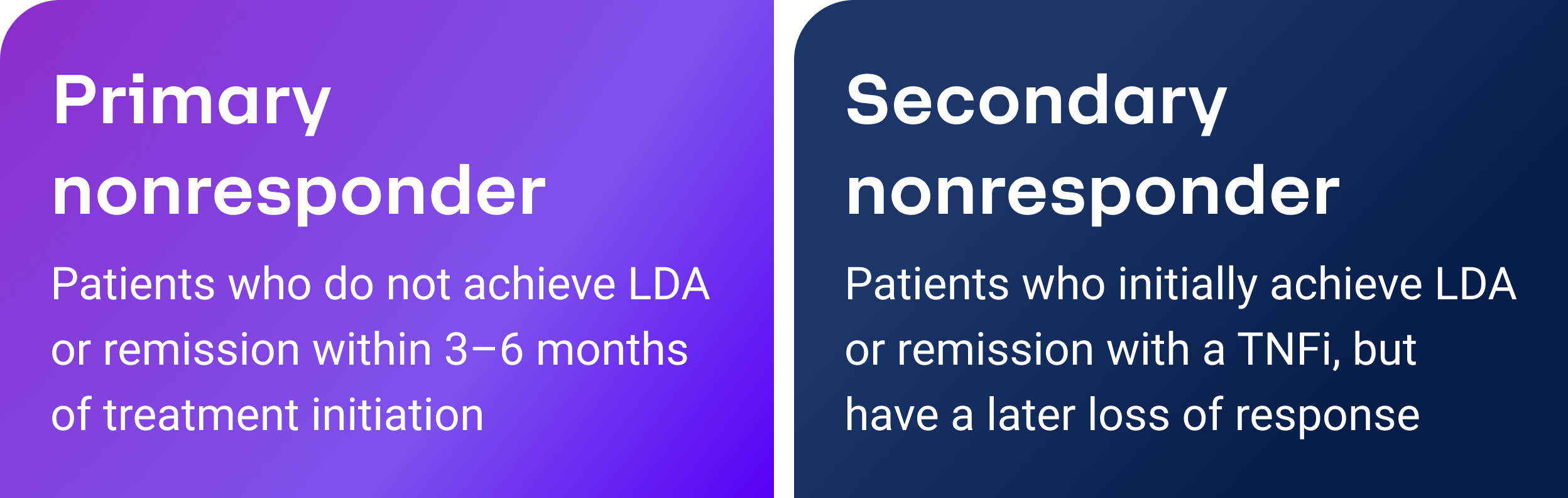
Types of TNFi nonresponse12
What guides your treatment decisions after TNFi failure?

Treatment Guidelines
ACR: Conditionally* recommend MOA switch over 2nd TNFi13
EULAR: Recommend either MOA switch or 2nd TNFi14
While guidelines were developed based on evidence available at the time, data from RCTs directly comparing options were limited13-18
*Based on very low-certainty evidence supporting greater improvement in disease activity and drug survival among patients switching classes. The recommendation is conditional because patients and physician preferences are likely to vary based on prior experiences with specific DMARDs.
Real-world treatment decisions
Review a hypothetical patient case similar to what was discussed in the podcast

Patient case: The drummer
Key case details:
- 62 years old
- Negative impact of RA symptoms on his life and profession
- RA symptoms did not improve within 3 months of starting TNFi therapy (primary nonresponder)
The decision: Use a second TNFi or switch to a JAKi?
Considerations for his next treatment

Long-term risks
with uncontrolled
disease

Treatment
benefit vs risk

Patient preferences
“We then have to take all that information about the patient's treatment history, their comorbidities, lifestyle, and then come to a shared decision” – Dr. Jain
Within weeks of starting a JAKi, his RA symptoms noticeably improved
“It's remarkable when you hit a mechanism of action that works [for your patient]” — Dr. Charles-Schoeman
What is the latest data to support this clinical decision?
SELECT-SWITCH
SELECT-SWITCH is the first RCT to assess switching to upadacitinib (UPA) vs adalimumab (ADA) after first TNFi failure
This trial directly addresses optimal treatment sequencing in a head-to-head trial
SELECT-SWITCH is a randomized, double-blind study in adults with moderate-to-severe RA who failed one TNFi (non-ADA)19,20
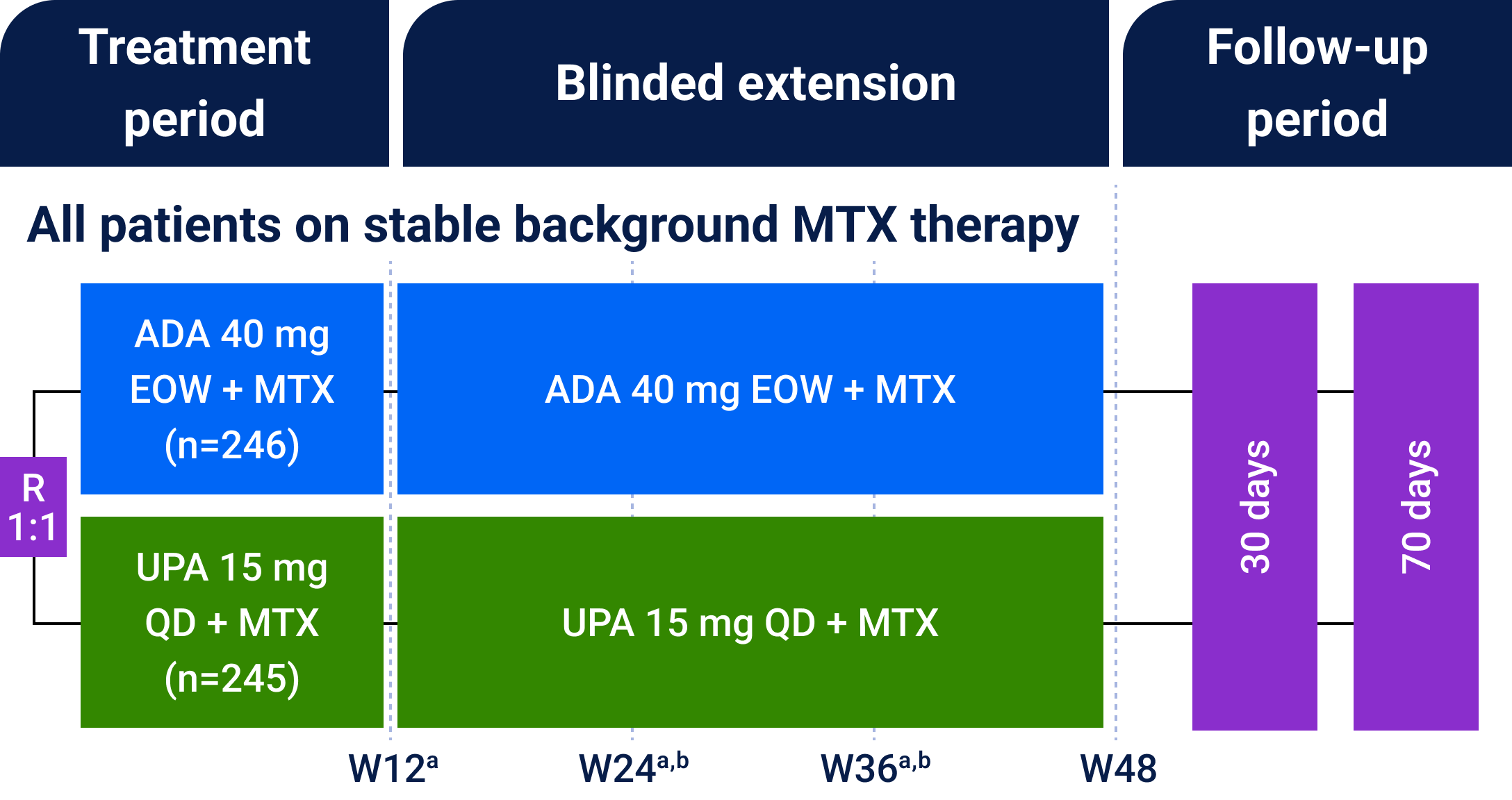
aAt W12, W24, or W36 (after W12 assessments have been performed), patients who do not achieve ≥20% improvement in both TJC and SJC compared with baseline are rescued with optimizing (initiate or increase) background RA medications: NSAIDs, corticosteroids, acetaminophen, or adding or increasing doses in up to 2 csDMARDs (except the combination of MTX and leflunomide).
bAt W24 or W36, patients who do not achieve ≥20% improvement in both TJC and SJC, despite optimization of background RA therapies at the previous visit, are discontinued from study drug and treated according to standard of care at the discretion of the clinician.
Limitations: The study excluded patients with significant comorbidities and those intolerant/resistant to ADA limiting applicability to broader RA populations. Enrolled patients had long disease duration, high inflammatory burden, and functional impairment, which may not reflect typical post-first-TNFi-failure patients. Comparison of UPA against only one TNFi further limits generalizability.
Key baseline demographics and clinical characteristics19,20
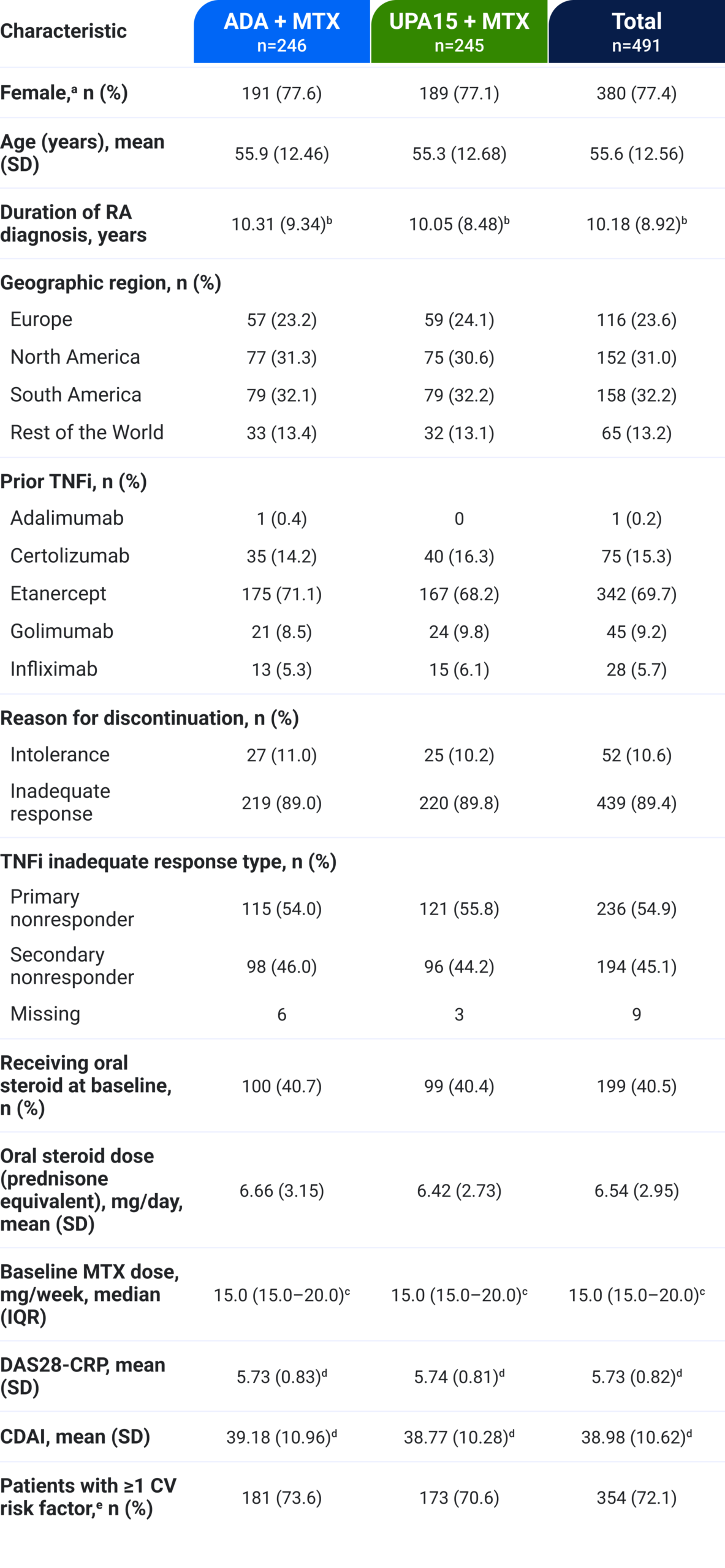
aClassifications for sex and gender were defined as male or female per the protocol.
bADA n=246, UPA n=244, total N=490.
cADA n=245, UPA n=245, total N=490.
dADA n=236, UPA n=235, total N=471.
eCV risk were defined as prior history of a CV event, hypertension, diabetes mellitus, current or former smoker, elevated LDL-C (≥3.36 mmol/L), and lowered HDL-C (<1.034 mmol/L).
In patients with one TNFi failure, UPA15 + MTX was superior to ADA + MTX in DAS28-CRP LDA and remission at Week 1219
Achievement of DAS28-CRP LDA at W1219
(DAS28-CRP ≤3.2; primary endpoint)
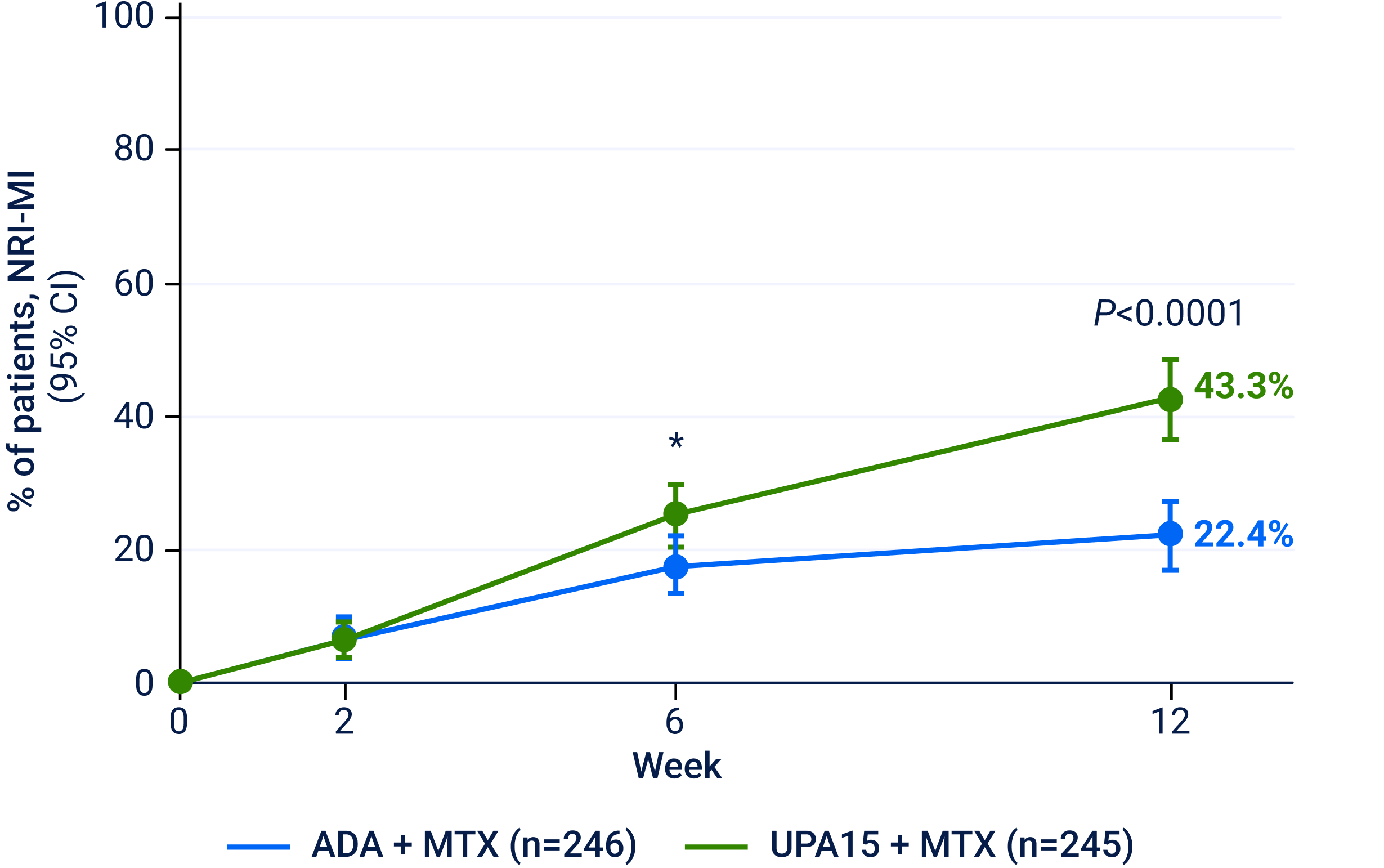
*nominal P<0.05.
Achievement of DAS28-CRP remissiona at W1219
(DAS28-CRP <2.6; ranked secondary endpoint)
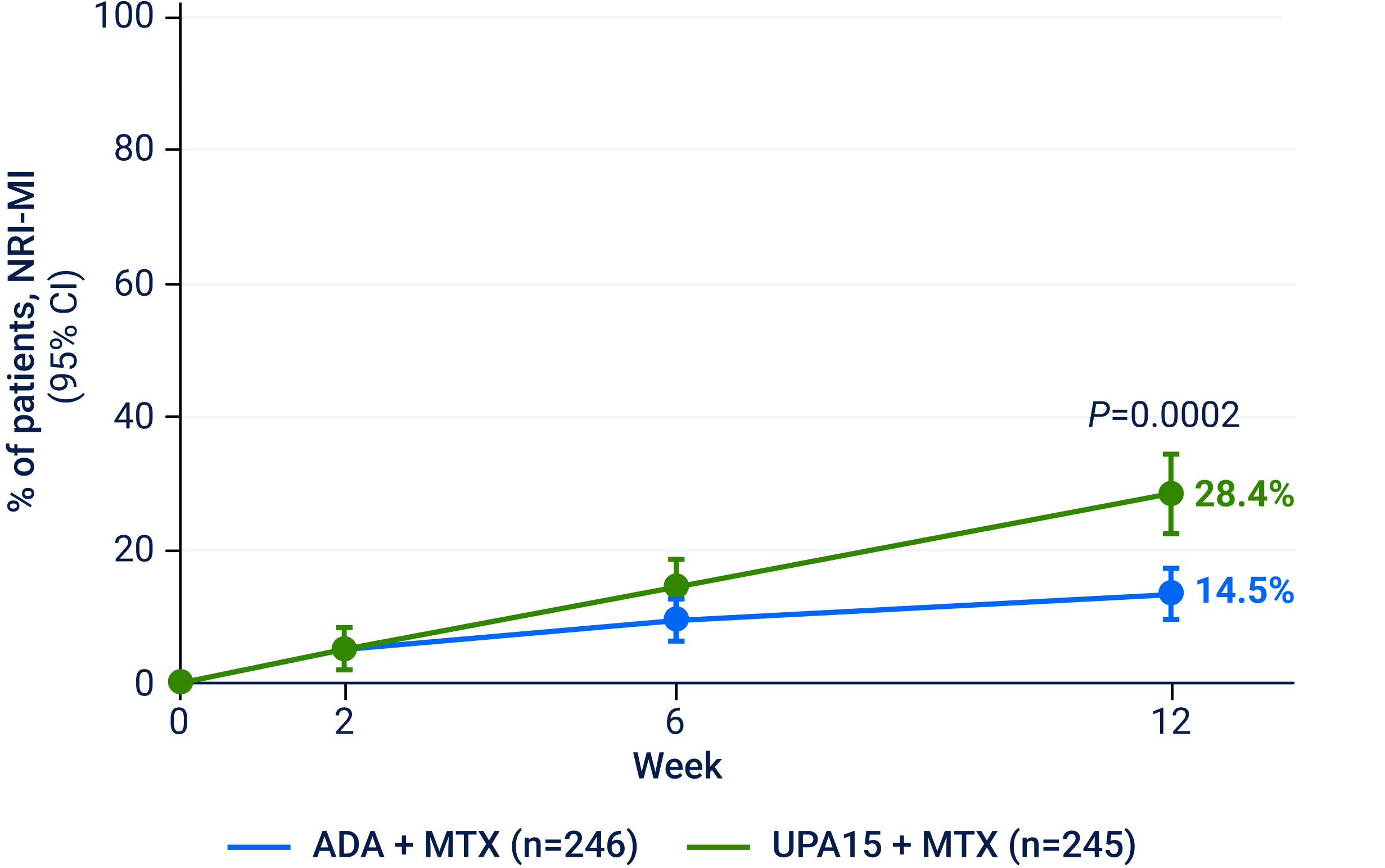
aRemission does not mean drug-free remission or complete absence of disease activity.
UPA15 + MTX achieved higher rates of CDAI LDA and remission vs ADA + MTX at Week 1219
Achievement of CDAI LDA at W1219
(CDAI ≤10; additional endpoint)
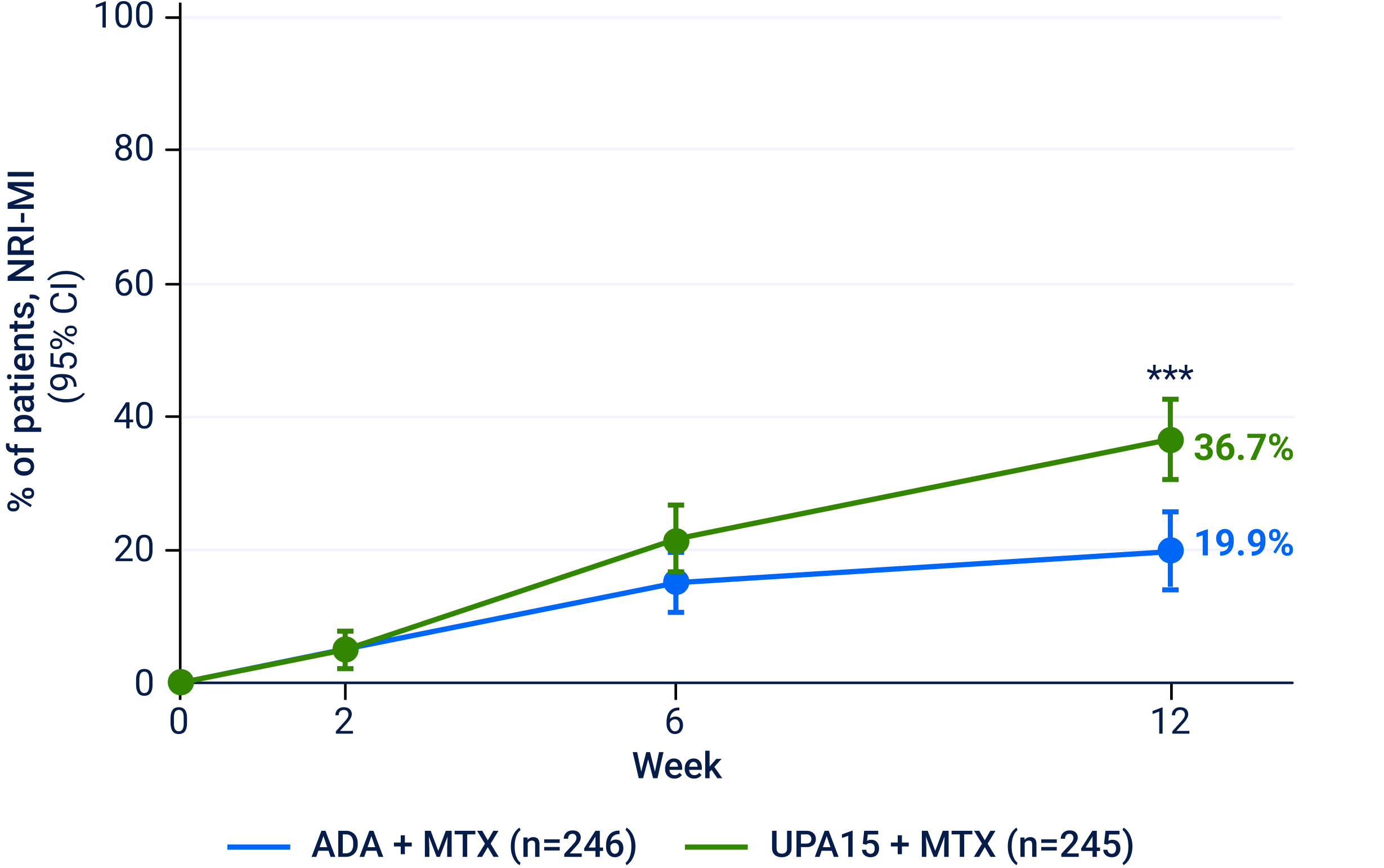
***nominal P<0.0001.
Definitive conclusions regarding comparative efficacy or safety cannot be drawn from this data.
Achievement of CDAI remissiona at W1219
(CDAI ≤2.8; additional endpoint)
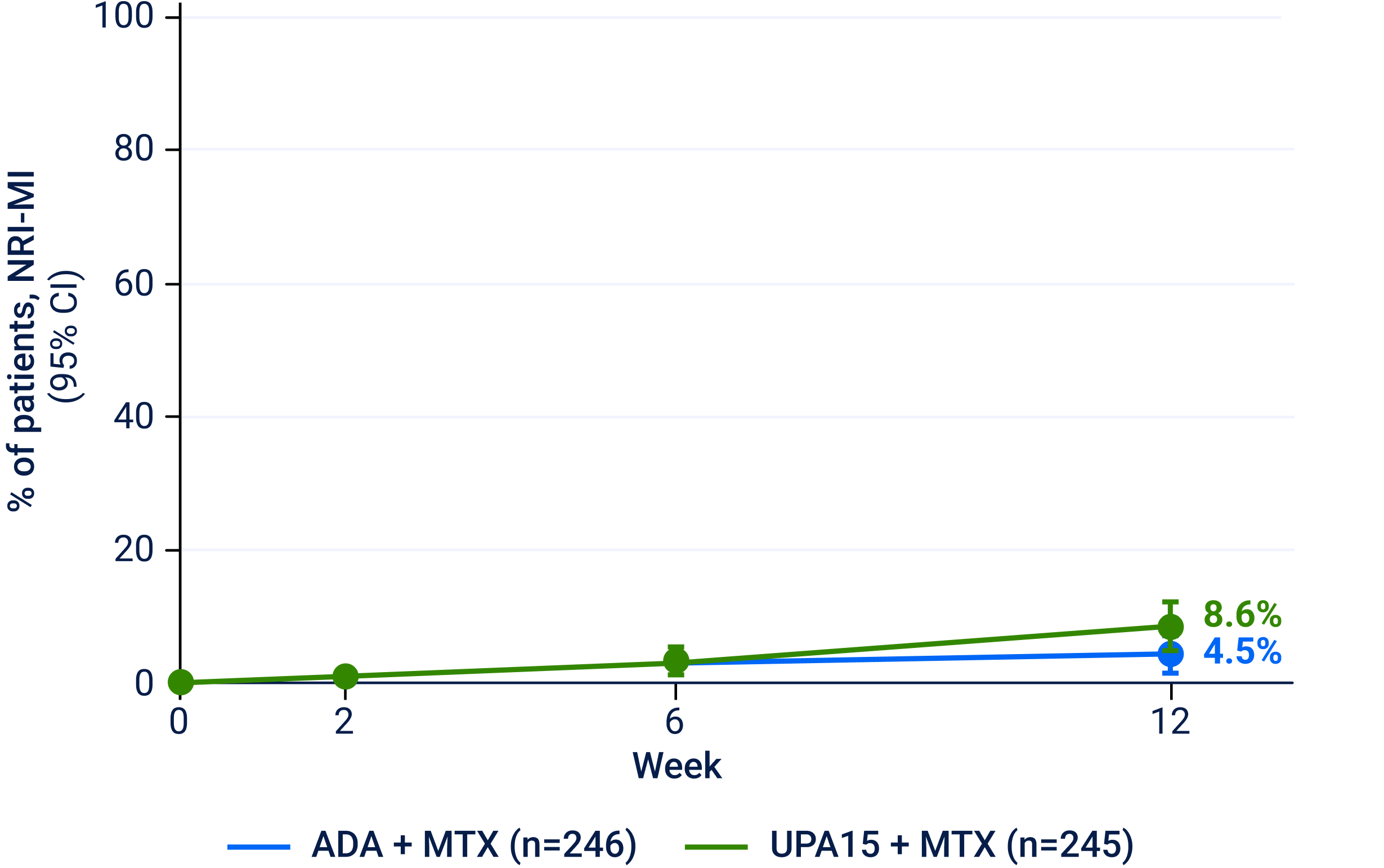
aRemission does not mean drug-free remission or complete absence of disease activity.
Definitive conclusions regarding comparative efficacy or safety cannot be drawn from this data.
SELECT-SWITCH Manuscript: Primary Analysis Results
Review the April 2026 publication from the Annals of the Rheumatic Diseases, which includes additional efficacy results and patient-reported outcomes from the primary analysis of SELECT-SWITCH
In a post hoc analysis, UPA15 + MTX achieved numerically higher rates of LDA and remission in both primary and secondary nonresponders21
Achievement of DAS28-CRP LDA and remissiona at W12 in primary and secondary nonresponders21
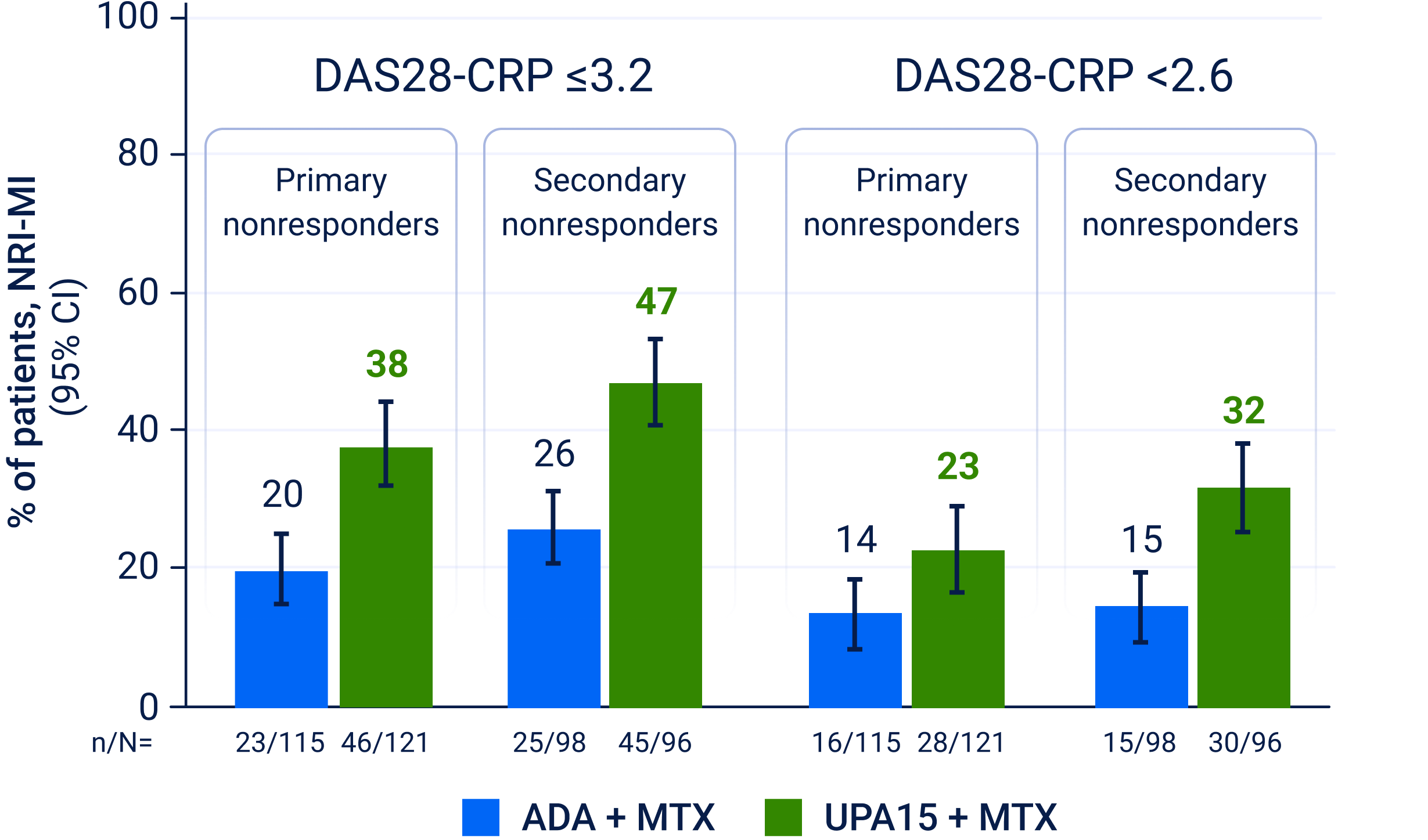
aRemission does not mean drug-free remission or complete absence of disease activity.
Definitive conclusions regarding comparative efficacy or safety cannot be drawn from this post-hoc analysis.
Achievement of CDAI LDA and remissiona at W12 in primary and secondary nonresponders21

aRemission does not mean drug-free remission or complete absence of disease activity.
Definitive conclusions regarding comparative efficacy or safety cannot be drawn from this post-hoc analysis.
See the full results of the SELECT-SWITCH post hoc analysis presented at EULAR 2026
Safety through Week 12 of SELECT-SWITCH19
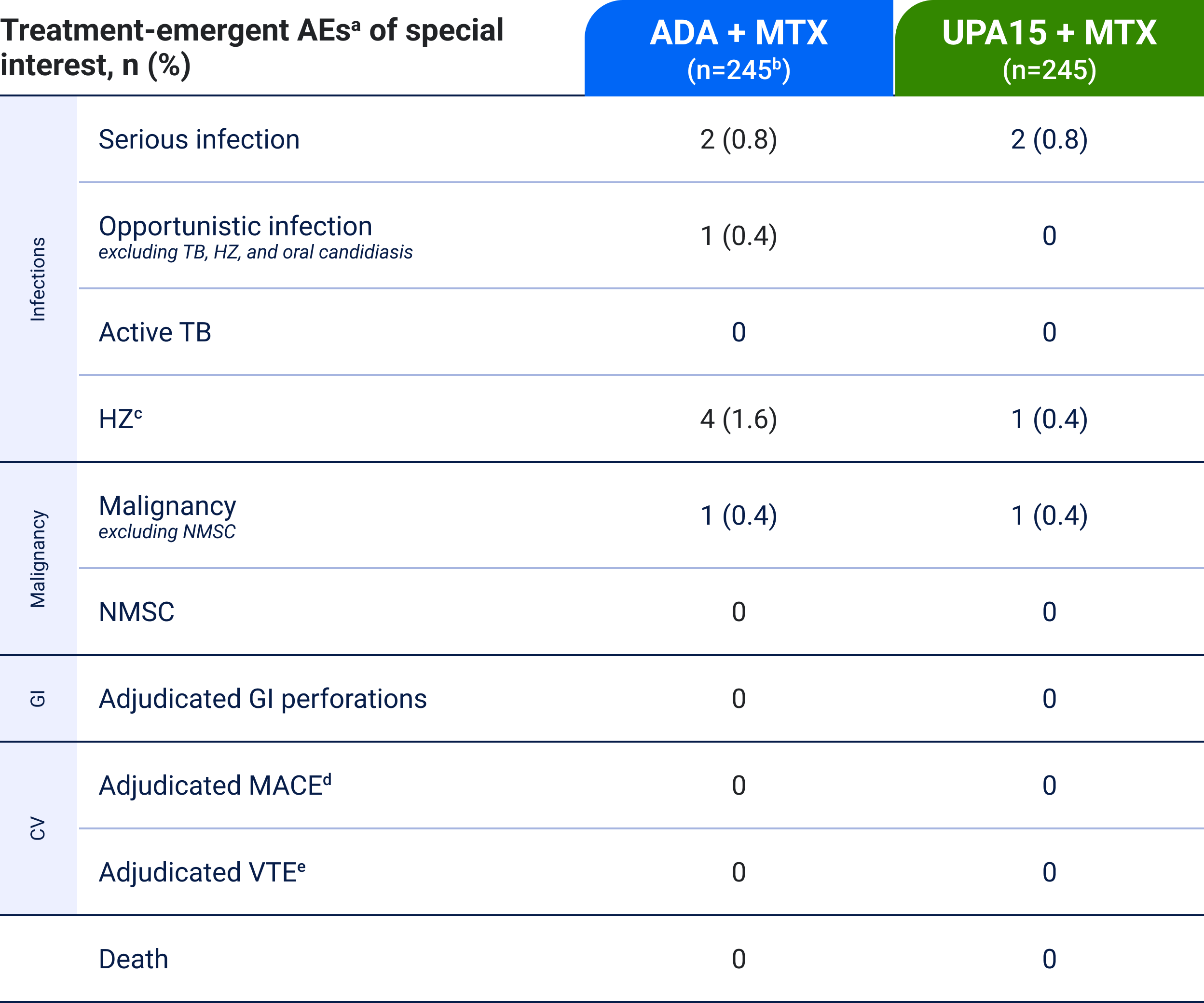
Laboratory abnormalities: Patients with laboratory-related treatment-emergent AEs for ADA and UPA, respectively, n (%): anemia (1 [0.4%], 4 [1.6%]), neutropenia (3 [1.2%], 1 [0.4%]), lymphopenia (1 [0.4%], 2 [0.8%]), and hepatic disorders (4 [1.6%], 7 [2.9%]).
UPA requires laboratory monitoring for neutropenia, lymphopenia, anemia, increased lipids, and AST/ALT elevations, whereas ADA does not.
Consider increased monitoring of blood glucose in patients with diabetes treated with UPA; advise these patients to notify their healthcare provider if they develop signs or symptoms of hypoglycemia.
Common Adverse Reactions in RA: The most common adverse reactions (≥1%) were upper respiratory tract infections, herpes zoster, herpes simplex, bronchitis, nausea, cough, pyrexia, acne, and headache.
Adverse reaction rates observed in clinical trials and long-term extension studies may not predict rates observed in clinical practice.
aDefined as an AE with an onset date on or after the first dose of study drug in a controlled short-term period, or up to 30 days after the last dose of UPA and up to 70 days for ADA, if patients discontinued prematurely before W12 visit.22
bOne patient randomized to the ADA arm did not receive active treatment, only oral placebo, and was therefore excluded from the safety analysis set.
cNo ophthalmic herpes zoster or herpes zoster with liver or CNS involvement were reported.
dMACE is defined as CV death, nonfatal MI, and nonfatal stroke.22
eVTE includes DVT and PE.22

Consider how SELECT-SWITCH may support your treatment decisions in patients with RA who failed initial TNFi therapy
Additionally, consider the data across the UPA RA clinical program to support these decisions
UPA15 in patients with moderately to severely active RA:
-
- Safety data through ~9.5 years23
- Met all primary endpoints across seven trials in the SELECT RA clinical program19,24-29
Long-term UPA safety has been assessed through up to 9.5 years in the SELECT RA clinical programa,23
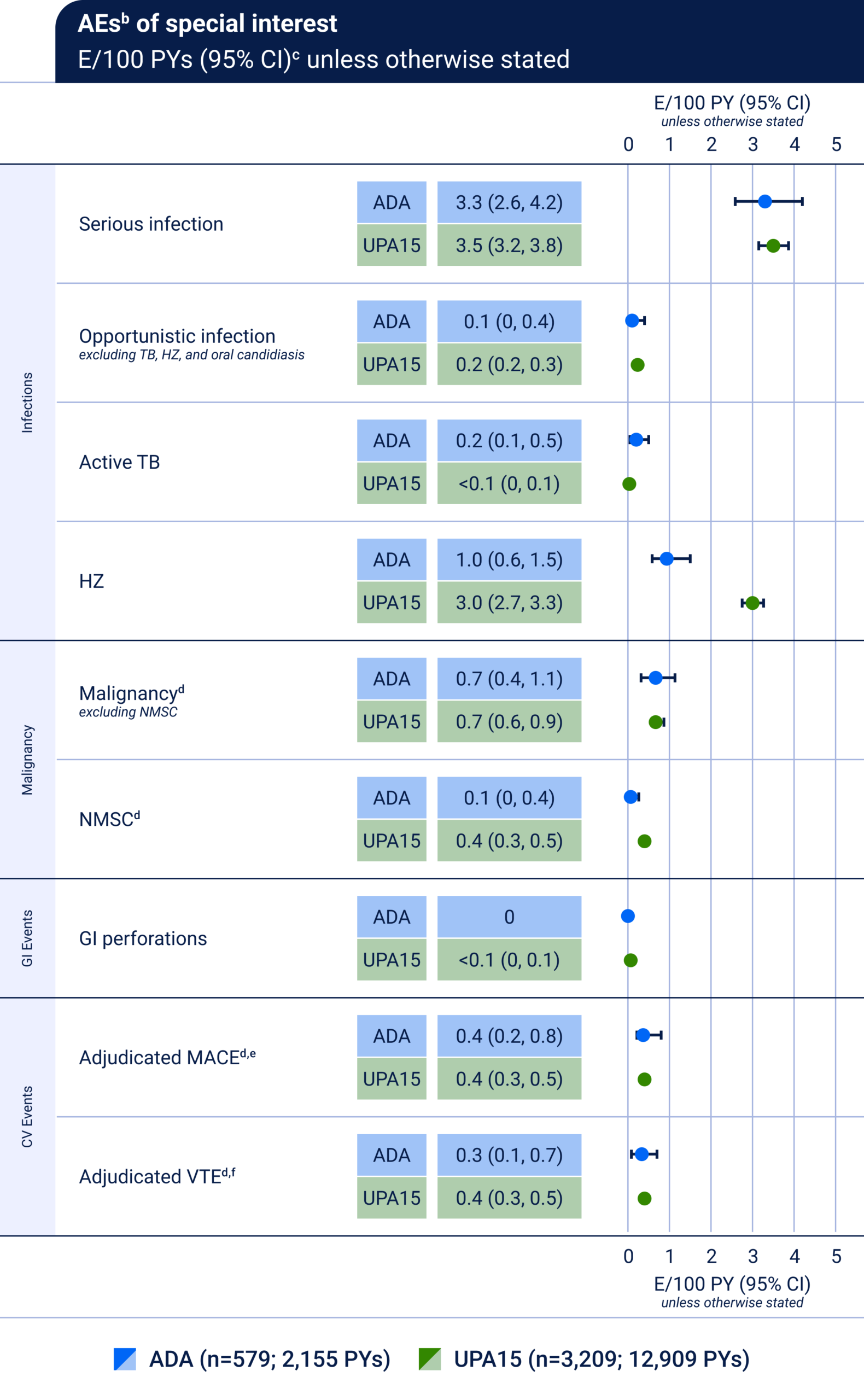
Adverse reaction rates observed in clinical trials and long-term extension studies may not predict rates observed in clinical practice.
aSafety data for ADA reported from the active comparator arm of SELECT-COMPARE and data for UPA15 reported from the 6 SELECT RA clinical trials with long-term data reported (does not include SELECT–SWITCH).
bDefined as an AE with an onset date on or after the first dose of study drug and up to 30 days after the last dose of UPA and 70 days for ADA, if subjects discontinued prematurely from the study.
cStudy size-adjusted number of patients with ≥1 event per 100 PYs.
dn/100 PYs.
eMACE is defined as CV death, nonfatal MI, and nonfatal stroke.
fVTE includes DVT and PE.
UPA achieved higher rates of LDA and remission versus ADA and abatacept (ABA) across three head-to-head clinical trials (COMPARE, SWITCH, and CHOICE)19,24,25
Achievement of LDA at Week 1219,24,25
(DAS28-CRP ≤3.2)
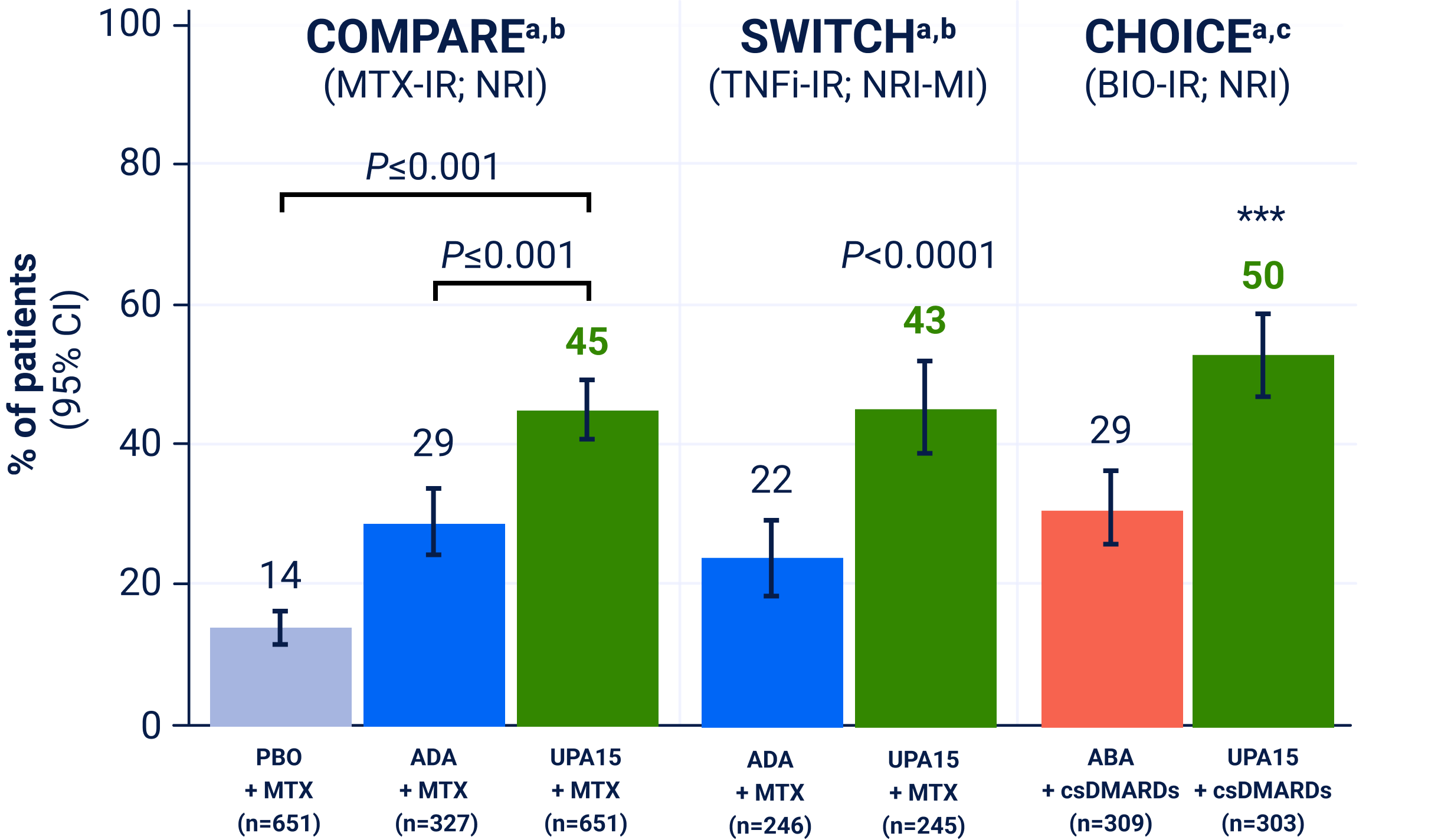
***nominal P≤0.001
aUPA is only indicated for adults who have had an inadequate response or intolerance to 1 or more TNF blockers.
bADA is indicated for the first-line treatment of moderate to severe active RA.
cABA is indicated for the first-line treatment of moderate to severe RA.
SELECT-COMPARE: A randomized, double-blind, 48-week study of 1,629 adults who had an inadequate response to MTX. Patients on background MTX received UPA15 (n=651), PBO (n=651), or ADA 40 mg EOW (n=327). UPA met the primary endpoint: 71% of patients in the UPA15 + MTX group achieved ACR20 at W12 vs 36% in the PBO group (P≤0.001).24
SELECT-CHOICE: A randomized, double-blind, 24-week study of 612 adults who have had an inadequate response to bDMARDs. Patients on stable csDMARDs received UPA15 or weight-based ABA IV. UPA met the primary endpoint: Mean change in DAS28-CRP was −2.52 in the UPA15 + csDMARD group vs −2.00 in the ABA + csDMARD group (P<0.001).25
Achievement of remissiond at Week 1219,24,25
(DAS28-CRP <2.6)
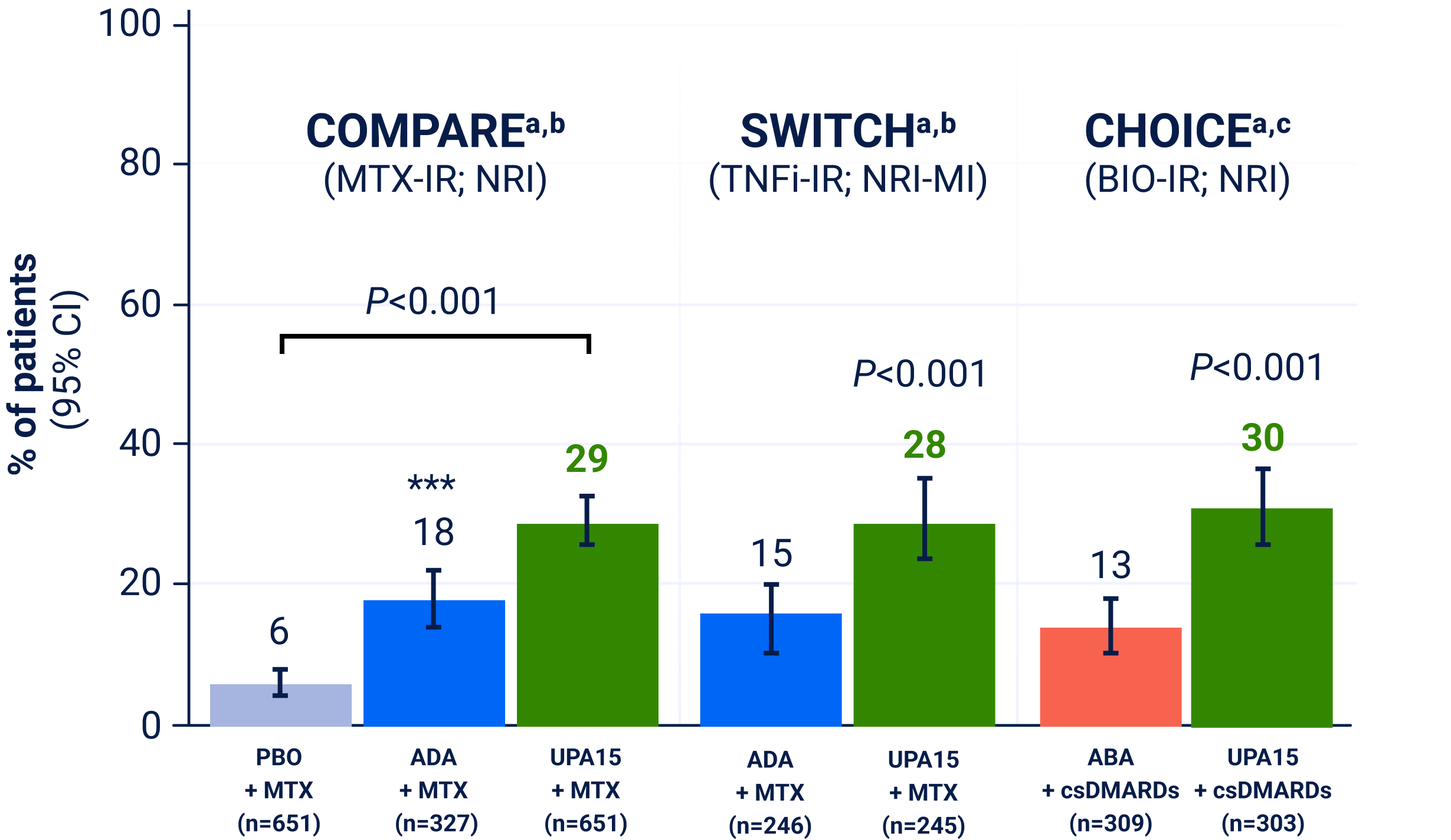
***nominal P≤0.001
aUPA is only indicated for adults who have had an inadequate response or intolerance to 1 or more TNF blockers.
bADA is indicated for the first-line treatment of moderate to severe active RA.
cABA is indicated for the first-line treatment of moderate to severe RA.
dRemission does not mean drug-free remission or complete absence of disease activity.
SELECT-COMPARE: A randomized, double-blind, 48-week study of 1,629 adults who had an inadequate response to MTX. Patients on background MTX received UPA15 (n=651), PBO (n=651), or ADA 40 mg EOW (n=327). UPA met the primary endpoint: 71% of patients in the UPA15 + MTX group achieved ACR20 at W12 vs 36% in the PBO group (P≤0.001).24
SELECT-CHOICE: A randomized, double-blind, 24-week study of 612 adults who have had an inadequate response to bDMARDs. Patients on stable csDMARDs received UPA15 or weight-based ABA IV. UPA met the primary endpoint: Mean change in DAS28-CRP was −2.52 in the UPA15 + csDMARD group vs −2.00 in the ABA + csDMARD group (P<0.001).25

UPADACITINIB INDICATION
Upadacitinib is a Janus kinase (JAK) inhibitor indicated for the treatment of:
Adults with moderately to severely active rheumatoid arthritis (RA) who have had an inadequate response or intolerance to one or more tumor necrosis factor (TNF) blockers.
Limitations of Use: Upadacitinib is not recommended for use in combination with other JAK inhibitors, biologic disease-modifying antirheumatic drugs (bDMARDs), or with potent immunosuppressants such as azathioprine and cyclosporine.

UPADACITINIB IMPORTANT SAFETY CONSIDERATIONS AND BOXED WARNING
Serious Infections: Patients treated with upadacitinib are at increased risk for developing serious infections that may lead to hospitalization or death. These infections include tuberculosis (TB), invasive fungal, bacterial, viral, and other infections due to opportunistic pathogens. Most patients who developed these infections were taking concomitant immunosuppressants, such as methotrexate or corticosteroids. Test for latent TB before and during therapy; treat latent TB prior to use. Consider the risks and benefits prior to initiating therapy in patients with chronic or recurrent infection. If a serious infection develops, interrupt upadacitinib until the infection is controlled.
Mortality: In a postmarketing safety study in RA patients ≥ 50 years of age with at least one cardiovascular (CV) risk factor comparing another JAK inhibitor to TNF blockers, a higher rate of all-cause mortality, including sudden CV death, was observed with the JAK inhibitor.
Malignancies: Malignancies have been observed in upadacitinib treated patients. In RA patients treated with another JAK inhibitor, a higher rate of lymphomas and lung cancers was observed when compared with TNF blockers. Patients who are current or past smokers are at additional increased risk. Consider the benefits and risks for the individual patient prior to initiating or continuing therapy with upadacitinib, particularly in patients with a known malignancy (other than a successfully treated non-melanoma skin cancer [ NMSC ]), patients who develop a malignancy when on treatment, and patients who are current or past smokers. NMSCs have been reported in patients treated with upadacitinib. Periodic skin examination is recommended for patients who are at increased risk for skin cancer. Advise patients to limit sunlight exposure by wearing protective clothing and using sunscreen.
Major Adverse Cardiovascular Events (MACE): In RA patients who were ≥ 50 years of age with at least one CV risk factor treated with another JAK inhibitor, a higher rate of MACE (CV death, myocardial infarction, and stroke) was observed compared with TNF blockers. Patients who are current or past smokers are at additional increased risk. Consider the benefits and risks for the individual patient prior to initiating or continuing therapy with upadacitinib. Patients should be informed about the symptoms of serious CV events and the steps to take if they occur. Discontinue upadacitinib in patients that have experienced a myocardial infarction or stroke.
Thrombosis: Thromboses, including deep vein thrombosis, pulmonary embolism, and arterial thrombosis, have occurred in patients treated with JAK inhibitors, including upadacitinib. Many of these adverse events were serious and some resulted in death. In RA patients who were ≥ 50 years of age with at least one CV risk factor treated with another JAK inhibitor, a higher rate of thrombosis was observed when compared with TNF blockers. Avoid upadacitinib in patients at risk. Patients with symptoms of thrombosis should discontinue upadacitinib and be promptly evaluated.
Hypersensitivity Reactions: Upadacitinib is contraindicated in patients with known hypersensitivity to upadacitinib or any of its excipients. Serious hypersensitivity reactions such as anaphylaxis and angioedema were reported in patients receiving upadacitinib in clinical trials. If a clinically significant hypersensitivity reaction occurs, discontinue upadacitinib and institute appropriate therapy.
Other Serious Adverse Reactions: Patients treated with upadacitinib also may be at risk for other serious adverse reactions, including gastrointestinal perforations, hypoglycemia in patients with diabetes, neutropenia, lymphopenia, anemia, lipid elevations, liver enzyme elevations, and embryo-fetal toxicity. Consider increasing monitoring of blood glucose in patients with diabetes; advise these patients to notify their healthcare provider if they develop signs or symptoms of hypoglycemia. If upadacitinib exposure occurs during pregnancy, please report the pregnancy to the surveillance program by calling 1-800-633-9110.
Vaccinations: Avoid use of live vaccines during, or immediately prior to, upadacitinib therapy. Prior to initiating upadacitinib, it is recommended that patients be brought up to date with all immunizations, including prophylactic varicella zoster or herpes zoster vaccinations, in agreement with current immunization guidelines.
Medication Residue in Stool: Reports of medication residue in stool or ostomy output have occurred in patients taking upadacitinib extended-release tablets. Most reports described patients with shortened gastrointestinal transit times. Instruct patients to contact their healthcare provider if medication residue is observed repeatedly.
Common Adverse Reactions in RA: The most common adverse reactions (≥1%) were upper respiratory tract infections, herpes zoster, herpes simplex, bronchitis, nausea, cough, pyrexia, acne, and headache.
Review accompanying upadacitinib full Prescribing Information for additional information, visit www.rxabbvie.com or contact AbbVie Medical Information at 1-800-633-9110.
ADALIMUMAB INDICATION
Adalimumab is a tumor necrosis factor (TNF) blocker indicated for the treatment of:
Rheumatoid Arthritis: reducing signs and symptoms, inducing major clinical response, inhibiting the progression of structural damage, and improving physical function in adult patients with moderately to severely active RA.
ADALIMUMAB IMPORTANT SAFETY CONSIDERATIONS AND BOXED WARNING
Serious infections
Patients treated with adalimumab are at an increased risk of developing serious infections that may lead to hospitalization or death. These infections include active tuberculosis (TB), reactivation of latent TB, invasive fungal infections, and bacterial, viral, and other infections due to opportunistic pathogens. Most patients who developed these infections were taking concomitant immunosuppressants such as methotrexate or corticosteroids.
Malignancies
Lymphoma, including a rare type of T-cell lymphoma, and other malignancies, some fatal, have been reported in patients treated with TNF blockers, including adalimumab.
Other Serious Adverse Reactions
Patients treated with adalimumab also may be at risk for other serious adverse reactions, including anaphylaxis, hepatitis B virus reactivation, demyelinating disease, cytopenias, pancytopenia, heart failure, a lupus-like syndrome, and autoimmune hepatitis. Avoid live vaccines in patients taking adalimumab.
Common Adverse Reactions
The most common adverse reactions in adalimumab clinical trials (>10%) were: infections (e.g., upper respiratory, sinusitis), injection site reactions, headache, and rash.
Review accompanying adalimumab full Prescribing Information for additional information, visit www.rxabbvie.com or contact AbbVie Medical Information at 1-800-633-9110.
ABATACEPT INDICATION
Rheumatoid Arthritis
Abatacept is indicated for the treatment of adults with moderately to severely active RA.
Limitations of Use: The concomitant use of abatacept with other potent immunosuppressants (e.g., biologic DMARDs, JAK inhibitors) is not recommended.
ABATACEPT IMPORTANT SAFETY CONSIDERATIONS
BOXED WARNING: None
CONTRAINDICATIONS: None
WARNINGS AND PRECAUTIONS
Infections: Concomitant use with a TNF blocker can increase the risk of infections and serious infections. Serious infections have been reported. Patients with a history of recurrent infections or underlying conditions predisposing to infections may experience more infections. Discontinue if a serious infection develops. Screen for latent TB infection prior to initiating therapy. Patients testing positive should be treated prior to initiating abatacept.
Hypersensitivity and anaphylaxis have occurred.
Screen for viral hepatitis prior to initiating abatacept.
Vaccinations: Update vaccinations prior to initiating abatacept. Live vaccines should not be given concurrently or within 3 months of discontinuation. Abatacept may blunt the effectiveness of some immunizations.
Chronic Obstructive Pulmonary Disease: COPD patients may develop more frequent respiratory adverse events.
Cytomegalovirus (CMV) and Epstein-Barr Virus (EBV) reactivation in patients treated for aGVHD prophylaxis.
Common Adverse Reactions: The most common adverse reactions (≥10%) are headache, upper respiratory tract infections, nasopharyngitis, and nausea.
For additional information, please refer to abatacept Prescribing Information.
Want to learn more about how to assess benefit-risk when considering a switch to UPA?
Previously on RheumNow: Decision-making in uncontrolled RA
Listen to Dr. Jeffrey Curtis and Dr. Kevin Winthrop discuss how they talk to their patients about the risks of uncontrolled RA and the efficacy and safety of upadacitinib

Previously on RheumNow: Decision-making in uncontrolled RA
Explore the guide created in collaboration with Dr. Curtis and Dr. Winthrop before you assess treatment options for your patients with RA

Abbreviations
ABA, abatacept; ACR, American College of Rheumatology; ACR20, improvement of ≥20% in American College of Rheumatology core criteria; ADA, adalimumab; AE, adverse event; ALT, alanine aminotransferase; AST, asparate aminotransferase; bDMARD, biologic disease-modifying antirheumatic drug; BIO, biologic; CDAI, Clinical Disease Activity Index; CI, confidence interval; CNS, central nervous system; csDMARD, conventional synthetic disease-modifying antirheumatic drug; CV, cardiovascular; DAS28-CRP, Disease Activity Score 28 based on C-reactive protein; DMARD, disease-modifying antirheumatic drug; DVT, deep vein thrombosis; E, event; EOW, every other week; EULAR, European Alliance of Associations for Rheumatology; GI, gastrointestinal; HDL-C, high-density lipoprotein cholesterol; HZ, herpes zoster; IQR, interquartile range; IR, inadequate responder; IV, intravenous; JAKi, Janus kinase inhibitor; LDA, low disease activity; LDL-C, low-density lipoprotein cholesterol; MACE, major adverse cardiovascular event; MI, myocardial infarction; MOA, mechanism of action; MTX, methotrexate; NMSC, nonmelanoma skin cancer; NRI, nonresponder imputation; NRI-MI, nonresponder imputation with multiple imputation; NSAID, nonsteroidal anti-inflammatory drug; PBO, placebo; PE, pulmonary embolism; PY, person-years; QD, once daily; R, randomized; RA, rheumatoid arthritis; RCT, randomized controlled trial; SD, standard deviation; SJC, swollen joint count; TB, tuberculosis; TJC, tender joint count; TNFi, tumor necrosis factor inhibitor; UPA, upadacitinib; UPA15, upadacitinib 15 mg; VTE, venous thromboembolism; W, week.
References:
- McInnes IB, Schett G. N Engl J Med. 2011;365(23):2205-2219.
- Myasoedova E et al. Ann Rheum Dis. 2016;75(3):560-565.
- Solomon DH et al. Arthritis Rheumatol. 2015;67(6):1449-1455.
- Baecklund E et al. Arthritis Rheum. 2006;54(3):692-701.
- Mehta B et al. RMD Open. 2019;5(1):e000935.
- Listing J et al. Rheumatology (Oxford). 2013;52(1):53-61.
- Furst DE et al. Arthritis Care Res (Hoboken). 2011;63(6):856-864.
- Gauthier G et al. Curr Med Res Opin. 2021;37(12):2185-2196.
- Souto A et al. Rheumatology (Oxford). 2016;55(3):523-534.
- Strand V et al. Rheumatol Ther. 2017;4(2):489-502.
- Edgerton C et al. ACR Open Rheumatol. 2024;6(4):179-188.
- Johnson KJ et al. Clin Rheumatol. 2019;38(11):2967-2976.
- Fraenkel L et al. Arthritis Care Res (Hoboken). 2021;73(7):924-939.
- Smolen JS et al. Ann Rheum Dis. 2026;85(6):991-1009.
- Wei W et al. Adv Ther. 2017;34(8):1936-1952.
- Bogas P et al. Ther Adv Musculoskelet Dis. 2021;13:1759720X211060910.
- Migliore A et al. Ther Adv Musculoskelet Dis. 2021;13:1759720X211002682.
- Caporali R et al. Adv Ther. 2024;41(9):3706-3721.
- Mysler E et al. Ann Rheum Dis. 2026;85(7):1240-1254.
- Mysler E et al. Ann Rheum Dis. 2026;85(7):1240-1254. Supplemental Materials
- Mysler E et al. Poster presented at: European Alliance of Associations for Rheumatology (EULAR) 2026; June 3-6, 2026; London, UK.
- Mysler E et al. Ann Rheum Dis. 2026;85(7):1240-1254. SAP
- Data on file, AbbVie Inc. ABVRRTI81830.
- Fleischmann R et al. Arthritis Rheumatol. 2019;71(11):1788-1800.
- Rubbert-Roth A et al. N Engl J Med. 2020;383:1511-1521.
- Van Vollenhoven R et al. Arthritis Rheumatol. 2020;72(10):1607-1620.
- Smolen JS et al. Lancet. 2019;393(10188):2303-2311.
- Burmester GR et al. Lancet. 2018;391(10139):2503-2512.
- Genovese MC et al. Lancet. 2018;391(10139):2513-2524.

We value your feedback
Was this article helpful?
The AbbVie Medical Affairs + Health Impact department of AbbVie Inc. is the copyright owner of this presentation and has paid RheumNow to host this content. AbbVie is solely responsible for all written content within this presentation.
© 2026 AbbVie Inc. All rights reserved. JAKa-US-00116-MC v.1.0 Approved July 2026